

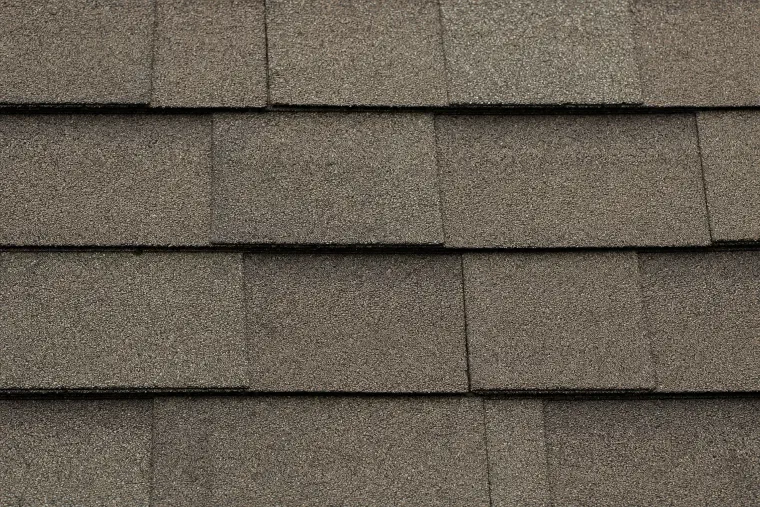
Premium shingles are worth the extra cost for some homes, mainly when you want a thicker look and plan to stay a long time. They are not worth it as a way to make a roof last longer, because the crew that nails them down matters more than the name on the bundle.
The short version
- Premium shingles are thicker, heavier asphalt shingles, sold as “designer” or “luxury” lines.
- The extra money mostly buys looks and some extra weather resistance, not a roof that skips the usual wear.
- In Maryland, asphalt shingles realistically last 18 to 25 years, whatever the label says.
- Nail placement, flashing and attic air decide how long a roof lasts.
- Ask for two prices on the same quote, then decide.
What are premium shingles?
Premium shingles are the top tier of asphalt shingles, sold as luxury or designer lines. This Old House says they go by names like designer or premium asphalt shingles (opens in a new tab) and are more expensive than other asphalt shingles but more weather resistant.
They sit above the architectural shingle most Howard County roofs wear today. If you want to know what that middle step is, see what are architectural shingles. The premium step is thicker again, with a deeper shadow line that is meant to look like slate or wood.
How much more do premium shingles cost?
They cost more per bundle, and the gap depends on the line you pick. This Old House lists luxury shingles at $600 to $1,000 per square (opens in a new tab), where a square is 100 square feet of roof, and notes that installation costs vary.
On our side, a standard architectural asphalt roof around Ellicott City typically runs $6.00 to $9.00 per square foot installed. A luxury shingle line is one of the things that raises the price, along with steep pitch, a cut-up roofline and a second tear-off layer. We will not guess at a dollar gap here, because it changes with the product. Ask for the number on your own roof.
| What you are comparing | Standard architectural | Premium line |
|---|---|---|
| Look | Some depth | Thicker, deeper shadow lines |
| Weight on the roof | Lighter | Heavier |
| Price | Lower | Higher, set by the product |
| Nailing and flashing | Decide the lifespan | Decide the lifespan |
Do premium shingles last longer?
Not by the amount the price suggests. This Old House puts luxury shingles at about 30 years on average (opens in a new tab), and the same page gives architectural shingles a range of 20 to 50 years. The ranges overlap.
In Maryland, asphalt shingles realistically last 18 to 25 years. The number printed on the wrapper, such as “50-year,” is a manufacturing defect warranty, not a promise about how long your roof stays on the house. We wrote more on that in does a 30-year shingle really last 30 years.
Does the installer matter more than the shingle?
Yes, and it is the part we would stress most. Water gets into a roof at flashing, valleys, around pipes and where one roof plane meets another. Those are labor details, and a thick shingle does nothing for them.
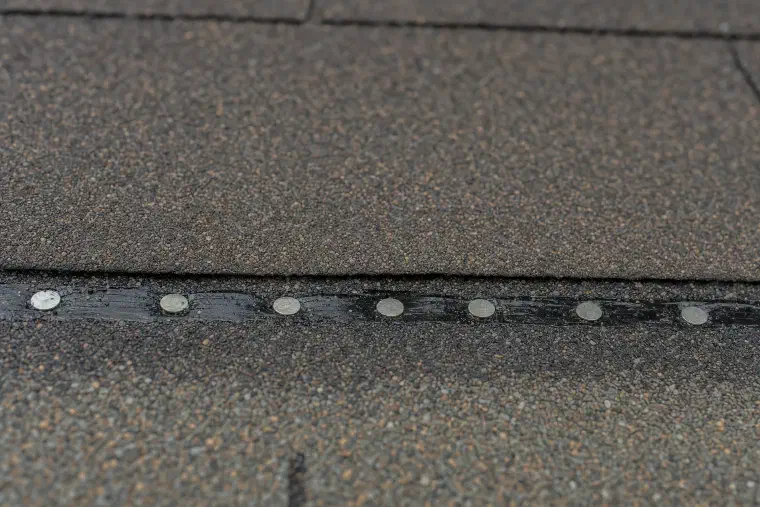
The same shingle can last 25 years or 9 depending on where the nail went. A nail set above the nailing line holds the shingle by its sealant strip alone, and that looks fine until a 50 mph gust peels the roof in courses. The Insurance Institute for Business & Home Safety says wind can lift unsealed shingles (opens in a new tab) and that proper alignment of the sealant strip is critical (opens in a new tab). Nobody can see a high nail from the ground.
Are wind ratings better on premium shingles?
Some are, but check the rating on the exact product, not the tier. The Asphalt Roofing Alliance lists the wind classes in a standard test: Class D up to 116 mph, Class G up to 155 mph and Class H up to 194 mph (opens in a new tab). Many shingles in every tier carry one of those.
That same page says mechanical fastening of shingles to the roof deck (opens in a new tab) follows the manufacturer’s installation instructions. In other words, the rating assumes the nails went in the right place. IBHS adds that these tests are run on new products and do not fully reflect aging (opens in a new tab).
When are premium shingles worth it?
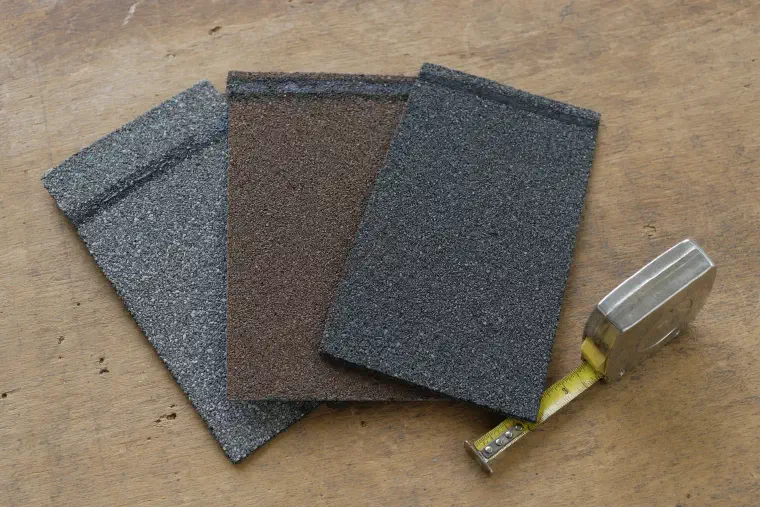
They are worth it when you like the look, you are replacing the roof anyway, you plan to stay for many years, and the house can carry the extra weight. Luxury shingles are heavier, so ask us to check the framing during the free inspection if the house is older.
Looks are a fair reason. Be honest with yourself that it is a look purchase, and not a way to buy more years.
When should you skip them?
Skip them when the extra money would come out of something the roof needs more. A full replacement should include new flashing at the chimney, walls, valleys and skylights, and cheap bids often reuse the old flashing. Ice-and-water shield beyond code minimum, a proper vent plan and any decking that has gone bad are all separate lines, and each does more for lifespan than a fancier shingle.
If the budget is tight, put the money there first. Our financing page shows the payment options if spreading out the cost helps.
Common questions
Are premium shingles the same as architectural shingles?
No. Architectural shingles are the common middle tier, and premium or luxury lines sit above them. They are thicker and heavier, and they cost more.
Do premium shingles come with a better warranty?
Often the paperwork is longer, but a manufacturer warranty covers defects in the shingle, not poor installation. The workmanship warranty from the contractor matters more, so ask for it in writing and read it before you sign.
Will premium shingles add value when I sell?
We have no figure for that and will not make one up. A buyer sees a newer roof first. Its age and condition tend to matter more than the tier of shingle.
What to do next
If you are planning a new roof, ask for the standard price and the premium price on the same quote, side by side, then see what each one includes. Our roof installation page lays out a full replacement. Call any time, day or night, and we will set up the free inspection, with no obligation to book work.


