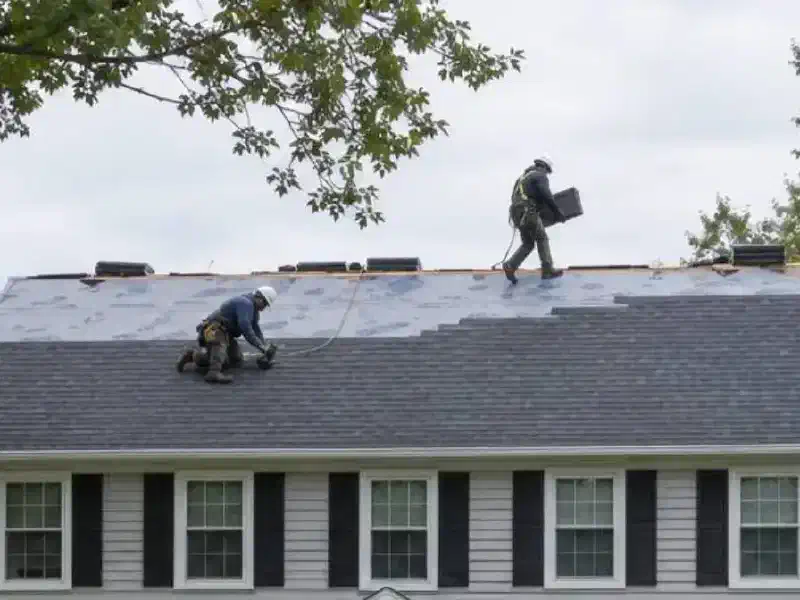
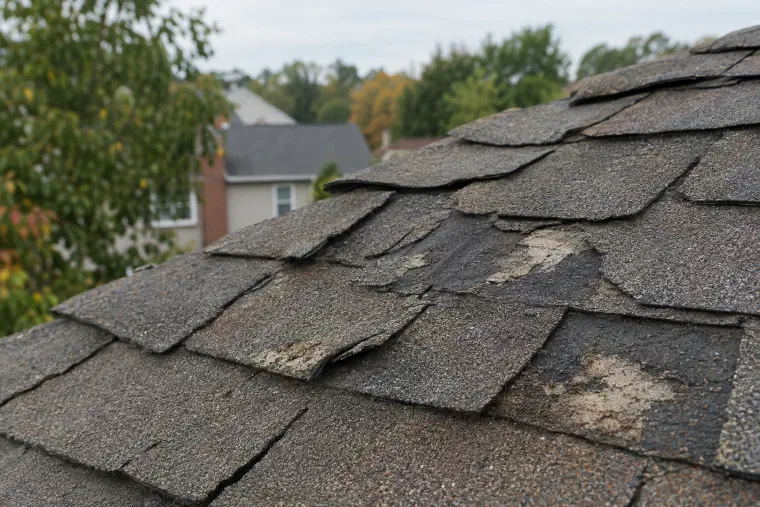
You can sell a house with a 30 year old roof, but you should expect it to affect price, buyer confidence, inspections, and insurance, not your legal ability to sell. Many buyers and insurers treat roofs older than 20 years as near the end of their life and may ask for a $10,000 to $20,000 credit, roof work before closing, or a documented inspection showing at least 3 to 5 years of remaining life.
TL;DR
- Yes, you can legally sell a house with a 30 year old roof, but buyers will treat the roof as a negotiation lever and future expense.
- Insurers in some markets now scrutinize roofs over 15 to 20 years, which can complicate buyer financing and delay closing if no clean inspection is on file.
- You do not always need a replacement before listing. A documented roof inspection plus targeted repairs can often keep the deal together.
- Pricing, disclosure, and timing are your main tools: be honest about age, and adjust either list price or credits so buyers are not surprised by the roof.
- In Ellicott City and around Howard County, Roofing NextGen Ellicott City can provide a free roof inspection and realistic repair versus replacement options before you list.
Is it legal to sell a house with a 30 year old roof?
Yes, it is legal to sell a house with a 30 year old roof, as long as you disclose what you know about its age and condition.
Real estate guides consistently point out that no law forces you to replace an aging roof before a sale. One seller resource notes that a 20 year old roof is legal in every state for financed buyers, as long as everything else checks out on inspection and insurance. The friction comes from buyer financing, insurance underwriting, and inspection flags, not from local statutes.
The buyer’s insurer may refuse a standard policy on a 20-plus-year asphalt roof or charge noticeably higher premiums. Their lender may then require roof repairs or a credit before closing. An inspector will almost always flag a 30 year old roof as nearing end of life, which prompts buyer requests for a price reduction or a new roof. So while the sale itself is legal, the roof can still stall or reshape the deal.
How do buyers and inspectors see a 30 year old roof?
Buyers and inspectors see a 30 year old roof as a big, looming expense, even if it is not leaking yet.
Inspectors categorize roofs by age and visible wear, and those categories heavily influence how buyers negotiate. Below is a typical pattern drawn from inspector commentary and industry data.roof inspection categories
| Roof Age | Typical Inspector Note | Common Buyer Reaction |
|---|---|---|
| Under 10 years | “Roof in good condition” | Little to no negotiation on the roof |
| 10 to 15 years, light wear | “Approaching end of useful life; evaluate in 1 to 3 years” | May ask for a credit or future planning, but usually minor |
| 15 to 20 years, visible aging | “Significant aging; replacement likely within 1 to 3 years” | Frequent requests for a sizable credit or partial replacement |
| 25 to 30 years | “Nearing end of service life; 1 to 3 years of expected remaining life” | Strong expectation of a credit near replacement cost, and some buyers walk |
At 30 years, many buyers and agents anticipate a credit roughly equal to a full replacement. One real estate analysis found that buyers often expect the seller to cover a new roof if the existing one is well past its typical lifespan. Your exact negotiation depends on what the inspection actually finds, but the assumption of an imminent big expense is baked into the way the roof is viewed.
Will insurance and financing block the sale?
Insurance and financing rarely block the sale entirely, but they can delay it, limit your buyer pool, or force last minute roof negotiations.
More carriers are tightening their rules for older roofs. Several reports detail that insurers now refuse standard homeowner policies on roofs older than 15 to 20 years without a clean certified inspection, especially for asphalt shingles.insurance underwriting Some will not write wind and hail coverage on a 30 year old architectural roof unless it passes a recent inspection, pushing buyers into more expensive or limited policies.
On the financing side, an appraisal that flags major deferred maintenance can trigger lender conditions. Roofs with fewer than 3 to 5 years of remaining life are often treated as a dollar-for-dollar value deduction, and the lender may require repairs or replacement before closing. The practical effect is that some buyers walk as soon as insurance trouble appears, while others stay if the roof has a documented clean bill of health.
Should you replace the roof before selling?
You do not automatically need to replace a 30 year old roof before selling, but you should make a conscious choice instead of letting the inspectors decide for you.
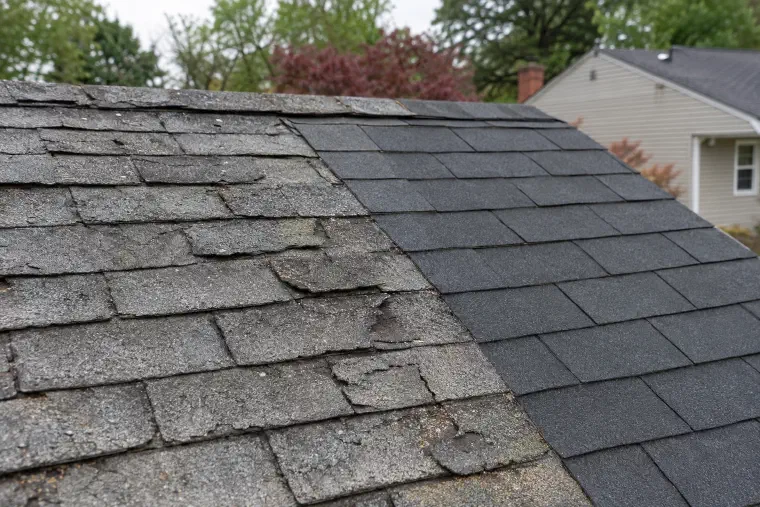
Several seller guides suggest a straightforward set of tradeoffs:
- Consider replacing before listing if the roof shows visible damage (curling shingles, sagging, active leaks) or you are targeting buyers who use FHA or other loan programs that are sensitive to deferred maintenance.
- Consider keeping the existing roof, with documentation, if the roof is sound, the local market accepts “as is” pricing, and you are willing to offer a measured credit instead of doing the work yourself.
A new roof can help, but you do not get back 100 percent of the cost. One analysis of home upgrade returns reports that replacing a deteriorated roof before sale can recoup roughly 60 to 70 percent of the investment. Another study found that homes with recent roofs sell 5 to 15 percent faster and for roughly 2 to 5 percent more than comparable homes with older roofs. The boost is real, but it is a math problem: you trade an upfront check for smoother negotiations and possibly a slightly higher sales price.
If you are in Howard County and want to see actual numbers for your roof, a roof installation estimate from a local contractor lets you compare the cost against the likely credit you would offer.
What are your options if you keep the old roof?
If you decide not to replace the roof before listing, your main tools are inspection, disclosure, and pricing.
Here is a practical menu that many sellers use:
- Get a documented roof inspection. A condition report with photos and a remaining life estimate gives buyers, lenders, and insurers something concrete. Roofing NextGen Ellicott City provides a free roof inspection that walks the roof surface, flashings, gutters, and (when accessible) the attic.
- Do targeted repairs. Fixing loose shingles, failing flashing, or small leaks makes the roof look maintained, not neglected. Many sellers only need localized repairs rather than a full replacement.
- Price with the roof in mind. Several sources recommend either pricing modestly lower or pricing at market and being ready for a credit. One home‑sale guide notes that pricing correctly from the start avoids renegotiations after the inspection.
- Offer a credit instead of a roof. On older roofs, buyers often ask for credits in the $10,000 to $20,000 range, depending on roof size and local labor rates. Agreeing to a defined credit at the contract stage is often cleaner than renegotiating after multiple roofing bids.
- Be straightforward about age and history. Providing records of the installation date, past repairs, and the recent inspection reduces buyer anxiety and limits the “what else is wrong?” spiral.
Does a 30 year old roof always kill the deal?
No, a 30 year old roof does not automatically kill a deal, but it does filter who shows up and how they negotiate.
Some buyers are comfortable with an older roof, especially when the price reflects the age. One recent buyer shared on a forum that they moved forward with a 29 year old roof because it was not leaking and the seller had made the age clear from the start. Cash buyers and investors often care more about the total deal math than the roof itself; they factor in replacement and proceed.
Deals typically collapse not because the roof is old, but because of three surprises: the inspection uncovers structural rot or sagging, the insurer declines coverage on the buyer’s preferred policy, or nobody discussed the roof upfront, so the inspection feels like fresh bad news.insurance denials When you already know the roof’s condition and likely buyer reactions, you can plan around them instead of reacting to them.
How Roofing NextGen Ellicott City can help local sellers
For homeowners in Ellicott City and across Howard County, we make it simple to get a clear picture of your roof before you list.
- A free roof inspection documents the shingle condition, flashing, gutters, and ventilation, giving you a straightforward report you can share with your agent.
- If the inspection turns up specific trouble spots, we can discuss targeted roof repair that costs a fraction of a full replacement and helps the roof look cared for.
- When replacement really is the best call, we provide honest pricing on a roof installation so you can compare the cost against the credits a buyer might demand.
- We work throughout the county, including roofing in Ellicott City and nearby towns.
The goal is to go into the sale knowing exactly what you are dealing with, so the roof does not become the reason a deal falls apart at the last minute.
Common questions
Can a buyer’s lender refuse the loan because of an old roof?
Yes, a lender can decline or condition a loan if the appraisal or inspection flags the roof as a significant deferred maintenance item with less than 3 to 5 years of remaining life. Most lenders will still move forward if the roof is repaired, replaced, or if a seller credit covers the estimated cost, but the roof can stall underwriting until it is addressed.
Will a 30 year old roof fail a home inspection automatically?
Not automatically, but it will almost certainly be highlighted as a concern. Inspectors tend to label any roof past about 20 years as needing evaluation or near term replacement, and a 30 year old roof often carries a note of “1 to 3 years of estimated remaining life.” That note gives buyers a negotiation tool, even if the roof is not currently leaking.
Is it better to offer a roof credit or do the roof yourself?
The better choice depends on your cash flow, timeline, and local market. Handling the roof yourself removes a major point of friction and can slightly boost sale speed and price, but it also ties up money upfront. Offering a clearly defined credit lets the buyer choose their own contractor and materials, though you typically see a larger deduction from the sale price than what you would have spent.
How much does a typical new roof cost?
For a standard asphalt shingle roof in Howard County, many typical single family homes land in the mid five figure range. Roofing NextGen Ellicott City’s pricing for a full system replacement with tear off and new flashing often falls near $22,500 to $29,500 for a 3,500 square foot roof. A free inspection and quote will give you a precise number for your specific roof, which is more useful than any ballpark figure.
Do I have to disclose the roof age to buyers?
Yes, you should disclose what you know about the roof’s age and any known issues. Sellers are required to report material facts about the property, and a roof nearing the end of its expected life is a fact most agents consider material. Giving a clear disclosure upfront, with any inspection reports or repair records, helps avoid disputes after the inspection turns up the same information.