

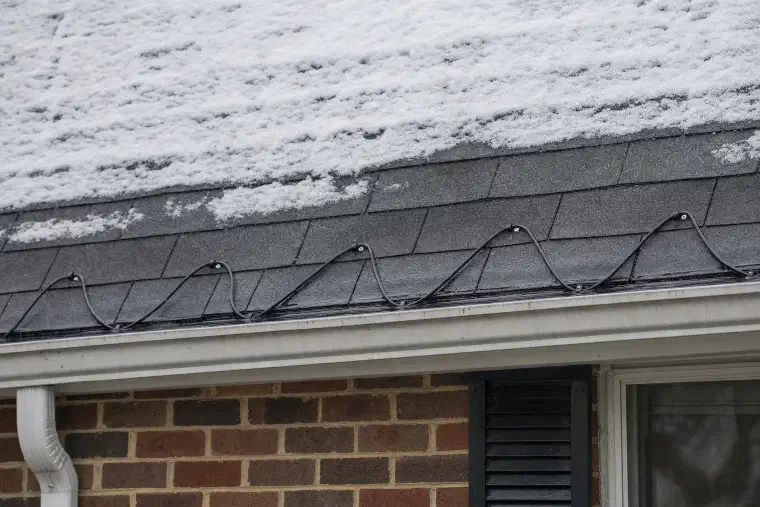
Heat cables don’t stop ice dams. They warm one strip of roof while the heat leaking from your house keeps melting the snow above it, so the water still runs down and freezes at the edge. The cable treats the ice, not the reason it formed.
The short version
- A heat cable is an electric wire that warms a strip of the roof edge. It doesn’t touch the heat leak that makes the dam.
- University sources call heat tape a fix for symptoms, and one warns it can build a dam just above itself.
- The same source says heat tape can make shingles brittle and is a fire risk.
- The fix that lasts is in the attic: seal the air leaks, add insulation, keep the roof deck cold.
- Until then, rake the snow from the ground and leave the ice alone.
What does a heat cable do on a roof?
It warms a strip of the roof edge so the ice there melts. The cable is run back and forth in zigzag loops along the eave, and sometimes along the gutter and downspout, then plugged into an outdoor outlet.
The idea is to keep a channel open so melted snow can drain. It sounds sensible. The trouble is where the water comes from. A cable does nothing about that part.
Why don’t heat cables stop ice dams?
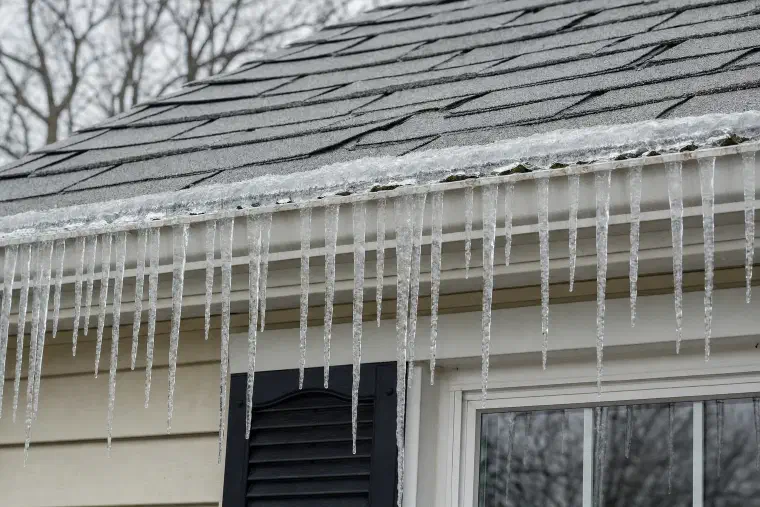
They heat the ice, and the ice was never the cause. The University of Missouri Extension explains that nonuniform roof temperatures (opens in a new tab) cause ice dams: warm air from the house leaks into the unheated attic and warms parts of the roof. Snow melts there, runs down to the cold edge and freezes.
A cable leaves that whole chain running. North Dakota State University Extension says homeowners try to treat the symptoms (opens in a new tab) of ice dams with things like heat tape instead of preventing the problem in the first place. An older release from the same extension says electric cables on the roof deck are wasting energy (opens in a new tab).
The University of Massachusetts goes further. Its building science article says the electric cable creates an ice dam just above it (opens in a new tab). The cable only warms the part it covers, and the water keeps coming from the warm roof higher up.
Can heat cables damage your roof?
Yes, and the same University of Massachusetts article lists how. It says heat tape embrittles shingles, creates a fire risk (opens in a new tab) and is expensive to install and to run. Its advice on cables is short: don’t waste your time or money.
There’s a smaller cost too. Somebody has to get up on the roof to fit the cable. We see how that goes: every tradesperson who walks a roof scuffs the granules, and on a hot day footprints crack the shingle. A cable fitted on a shingle roof is a reason for more foot traffic on a surface that doesn’t need it.
Keep in mind that the UMass article is older and says some of its information may be outdated. NDSU’s 2023 release still lands in the same place, though.
What fixes ice dams for good?
Stop the heat from reaching the roof deck. The University of Missouri’s specialist says the best way is to control heat loss from your home (opens in a new tab): seal the gaps around plumbing vents, wiring, recessed lights and chimneys, and add ceiling insulation of about R-38 to R-49.
The Department of Energy’s Building America guide calls sealing the leaks from the house into the attic the most important step (opens in a new tab). Here’s how the two approaches compare:
| Heat cable | Sealing, insulating and venting the attic | |
|---|---|---|
| What it goes after | The ice at the edge | The heat that melts the snow |
| Does it stop the melting above? | No | Yes |
| Uses power all winter | Yes | No |
| Can it build a dam above itself? | Yes, per UMass | No |
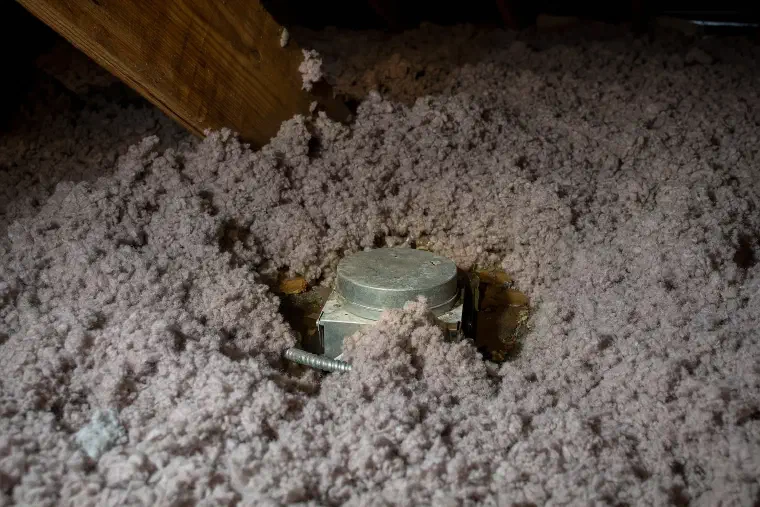
Ventilation is the other half. Inadequate attic airflow is the most underrated cause of early roof failure we see, and it also drives ice damming in winter. A common version is a ridge vent put on while the soffits behind it were never cut open, or insulation pushed against the roof edge so cold air can’t get in. Bath fans and dryer vents that end inside the attic make it worse. Our attic venting page covers what we check and fix, and how to prevent ice dams walks through the order of work.
Does a full gutter make ice dams worse?
It gives the ice something to build on. A gutter packed with leaves holds standing water, and that freezes into a solid shelf at the exact spot the dam grows from. No cable clears out leaves. We cover that in ice dams in gutters.
What should you do while the ice is there?
Take snow off the lower roof from the ground and leave the ice alone. NDSU says clearing snow from the lower part of the roof reduces ice dams and icicles, and it advises using a roof rake (opens in a new tab) rather than climbing onto the roof, with care near power lines.
If water is already coming in, Missouri Extension describes melting channels through the dam with warm tap water from a hose, working up from the lower edge. The channels stop working within days (opens in a new tab), so it buys time and nothing more. Our guide to removing an ice dam goes through the safe ways and the ones to skip.
Common questions
Are heat cables worth it?
On the evidence we found, no. The university sources above describe heat tape as a way of treating symptoms, and one says it wastes energy. The money does more work spent on air sealing and insulation, which stop the melting instead of chasing it.
Is heat tape safe on shingles?
The UMass article says heat tape embrittles shingles and creates a fire risk. If you already have a cable on your roof, don’t add to it or move it yourself in winter. Have somebody look at the wiring and at the shingles under it.
I already have heat cables. What now?
Turn your attention to the attic. Winter is the best time to inspect one, because frost on the underside of the roof boards on a cold morning shows where warm, damp air is getting in. Our free roof inspection includes the attic when it’s safe to get in. It doesn’t include a full airflow calculation, and a thermal scan is a paid extra.
What to do next
If you get ice at the eaves every winter, a cable is not the answer, and the attic is where the answer is. Call us to have the attic looked at before the next snow. The inspection is free and there’s no obligation to book work.


