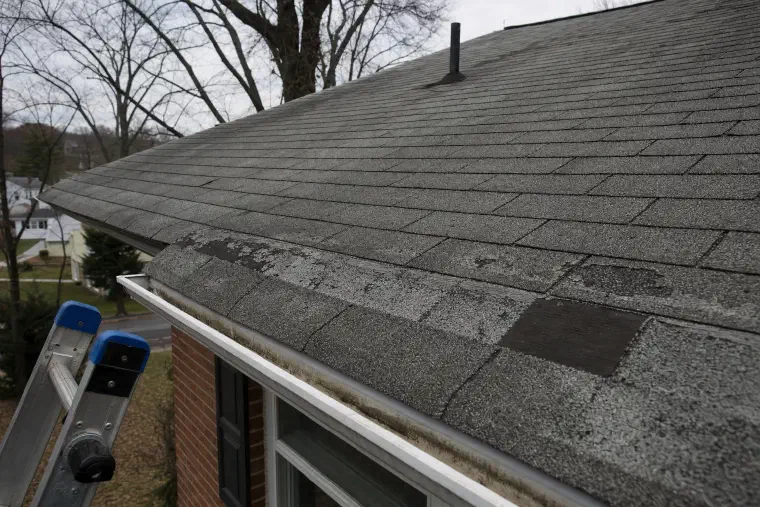
Usually not much. A home warranty is a service contract for things that wear out, and most plans leave the roof out. The ones that offer a roof add-on pay for small leaks only, up to a dollar cap, and they skip storm damage, old damage and full replacements.
The short version
- A home warranty covers breakdowns from normal wear. Homeowners insurance covers sudden damage, such as a storm.
- A roof-leak add-on usually pays for small repairs, not a new roof.
- Plans cap what they pay, and they often turn down a leak that was there before you bought the plan.
- Most plans want proof that the roof was looked after.
- Read the exclusions in your own contract. They decide the claim.
What is a home warranty, and is it insurance?
A home warranty is not insurance. The Federal Trade Commission calls home warranties really service contracts (opens in a new tab) that cover repairs and replacements for things like appliances or air conditioning systems, and you pay extra for them.
So the plan is built around machines that break down with age. A roof is a different animal. It sits outside, takes every storm, and fails slowly. That is why most plans treat it as an add-on, or leave it out.
Does a home warranty cover a roof leak?
Sometimes, if you bought the roof-leak add-on, and only for small leaks. One review of the plans says leak coverage doesn’t include major damage or full roof replacements (opens in a new tab). It is meant for smaller, early repairs.
The add-on costs extra too. The same review puts it at $6 to $20 a month (opens in a new tab), depending on the provider. Check that the base plan you are looking at even offers it.
How much will a home warranty pay for the roof?
Not much. The caps are low next to what roof work costs. That review lists one provider paying up to $1,000 (opens in a new tab) for roof leaks that are not structural, and another paying up to $500 per roofing service.
Compare that with what a repair typically runs in this area. A single leak diagnosis and repair typically runs $500 to $1,600, and a chimney reflash typically runs $800 to $2,200. A cap of $500 or $1,000 can be gone before the first shingle comes off.
What does a home warranty leave out on a roof?
Plenty, and the list is where most claims die. The usual exclusions are:
| Situation | Usually covered by a warranty? | What to do instead |
|---|---|---|
| A small, new leak from age | Maybe, with the add-on and up to a cap | File with the plan, then get it repaired |
| A leak that was there before the plan | Often turned down | Get a repair estimate |
| Storm, hail or wind damage | No | Call your homeowners insurer |
| Full roof replacement | No | Plan and budget for it |
| A roof with no upkeep records | Often turned down | Start keeping records |
The review above says coverage often does not include preexisting damage (opens in a new tab) and that warranties generally exclude damage from natural disasters such as hail and hurricanes. Structural problems, like a sagging ridge or rotted framing, fall outside it too.
Who pays for storm damage to a roof?
Your homeowners insurance, if your policy covers the cause. Insurance and warranties split the work. One guide to the difference says a warranty pays when things break down due to normal wear and tear (opens in a new tab), while standard insurance policies list normal wear and tear as an exclusion.
Maryland’s insurance regulator says homeowners policies typically cover losses that are sudden and accidental (opens in a new tab), from perils such as fire, wind, hail and the weight of ice or snow. It adds that damage from wear and tear over time generally will not be paid. Your policy and the insurer’s adjuster decide what is paid, and we cannot promise a result. Our guide to whether insurance covers a roof leak goes through it step by step.
Why do roof claims get turned down?
Mostly for two reasons: the damage was already there, or the roof was not looked after. The review says most providers require proof of regular maintenance (opens in a new tab) before they approve a claim, so keep inspection reports, repair records and receipts.
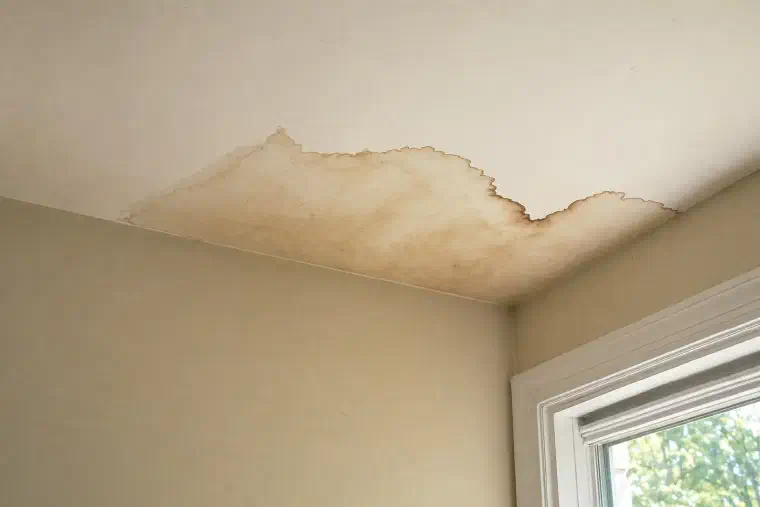
That fits what we see. A ceiling stain is the last stage of a leak, not the first. Water has usually been getting in for a long time, which makes it look like a leak that was there all along. A plan will treat it that way.
Is a home warranty worth it for the roof?
For the roof alone, rarely. The FTC suggests asking whether a plan will save you money (opens in a new tab), counting the deductible and the fee for each service call, and whether it only covers part of what you need. For a roof, the cap, the exclusions and the fees can leave very little.
A better use of the same money is a roof you know the condition of. A free roof inspection gives you a written report with photos and a remaining-life estimate. Be straight with yourself about it, though: a free inspection is a sales visit, and we are paid when jobs close.
Common questions
Does a home warranty cover a new roof?
No. Leak add-ons are for small repairs, and the review says they do not include full replacements. If your roof is at the end of its life, plan for the cost. You can see payment options on our financing page.
Does a builder or shingle warranty count as a home warranty?
They are different things. A shingle warranty comes from the maker and covers defects in the product. A home warranty is a service contract you buy. Our guide to what a roof warranty covers explains the maker’s side.
Can I use a home warranty on a roof I just bought with the house?
You can try, but expect questions. Plans often turn down damage that was there before the plan began, so get the roof looked at before you rely on it.
Will a roofer work with my warranty company?
Some plans send their own repair people, and some let you pick. Ask the plan before you book anyone, because a repair done outside the plan may not be paid back.
What to do next
If you have a leak, get the cause found and fixed before it spreads. Our roof repair crew answers the phone 24/7, and the roof inspection costs nothing.