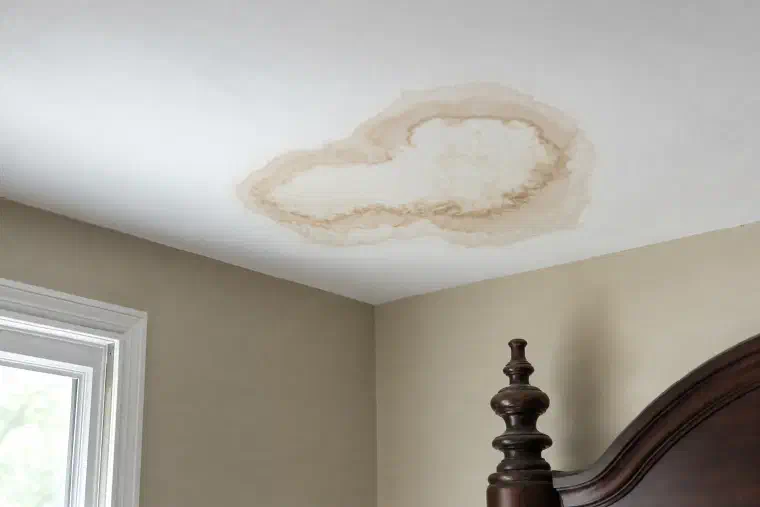
Sometimes. Homeowners insurance usually covers a roof leak when a sudden event, such as wind, hail or a heavy load of ice or snow, damaged the roof first. It usually does not cover a leak that comes from an old, worn roof that nobody maintained.
The short version
- The cause of the leak matters more than the leak itself. Sudden damage from a covered storm is treated differently from slow wear.
- Maryland’s insurance regulator says policies do not cover “maintenance,” so a leak from a worn-out roof generally will not be paid.
- Even when a storm is covered, an older roof can be paid at a lower value, and the deductible comes off the top.
- Stop more water getting in, take photos, keep receipts and call your insurer promptly.
- Your policy and the insurer’s adjuster decide what is paid. We cannot promise a result.
When does insurance cover a roof leak?
It covers a leak when the roof was damaged by a sudden, accidental event that your policy names. The Maryland Insurance Administration says homeowners policies typically cover losses that are sudden and accidental (opens in a new tab), caused by perils such as fire, wind, hail and the weight of ice or snow.
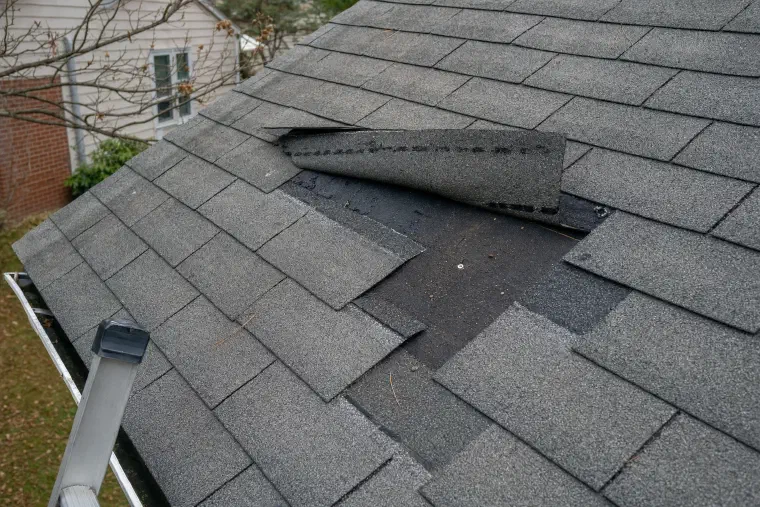
So the order of events is what counts. A windstorm folds back a row of shingles, rain gets in through the gap, and a stain shows up on the ceiling. The storm is the cause and the leak is the result. That is the pattern insurers look for.
When does insurance not cover a roof leak?
It generally does not cover a leak caused by wear and age. The same Maryland advisory says policies do not cover “maintenance,” so repairing damage from wear and tear or deterioration (opens in a new tab) of your roof over time generally will not be paid by the insurance company.
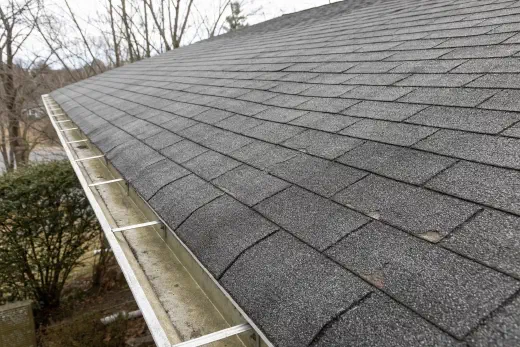
In our experience that covers a lot of leaks. Flashing is the thin metal that seals the joints around chimneys, walls and vents, and it is where roofs actually leak. The caulk holding it in place lasts five to ten years, so a joint that depends on sealant is a leak on a timer. Cracked rubber collars around vent pipes and shingles worn bare are the same story. Nothing sudden happened. The roof just ran out of time.
What if a storm hits a roof that was already worn?
You may get only part of the claim paid, or none of it. Maryland’s advisory says that if a covered peril such as hail damages a roof already in need of maintenance, your policy may not cover all or part (opens in a new tab) of your claim.
Our view is that storms tend to reveal weak spots more often than they ruin a sound roof. A 40 mph gust finds the shingles that were nailed too high or had lost their seal. An adjuster has to decide how much was the storm and how much was the roof, and that is where many arguments start.
Will a partial repair or a full replacement be paid?
It depends on how much of the roof was damaged and on your policy’s settlement terms. If only part of the roof is damaged, the policy may cover the repair of the damaged portion only (opens in a new tab), according to the Maryland advisory.
Two other terms in your policy change the amount:
| Term | What it means | Effect on a roof claim |
|---|---|---|
| Replacement cost value | Pays to repair or replace without taking off for age | Usually paid in two steps, the rest once the work is done |
| Actual cash value | Pays the cost less depreciation | Can be far less on an older roof |
| Wind or storm deductible | A separate amount, sometimes a percent of the home’s coverage | Can swallow a small repair claim |
The advisory notes the amount deducted for depreciation may be significant (opens in a new tab), especially if the roof was at or near the end of its useful life. It also gives an example of a $3,000 wind loss with a $1,000 deductible, where the insurer pays $2,000. Read the “loss settlement” and deductible sections of your own policy before you decide anything.
What should you do when the roof is leaking?
Stop more water getting in, document everything and call your insurer. Maryland’s consumer guide tells homeowners to protect the property from further damage (opens in a new tab) and to keep a record and all receipts for any temporary repairs. It warns that delaying a claim or failing to protect the property can put your coverage at risk.
- Move belongings out of the drip and put a bucket under it.2. Take dated photos and video of the ceiling, the attic and any roof damage you can see from the ground.
- Call your insurer or agent soon and ask how to file a claim.
- Get the roof tarped if more rain is coming. Emergency tarping typically runs $350 to $900, so keep the receipt.
- Do not throw out damaged material until the adjuster has seen it or says you can.
If the leak is active, our emergency roof repair line is answered 24/7. Our guide to stopping a leak in heavy rain covers what you can do until help arrives.
Does a roofer’s report help with a claim?
It can help you understand what you have, but it does not decide the claim. Our free roof inspection includes a walk on the roof, a look in the attic when we can get in, and a written report with photos. Be straight with yourself about its limits, though: a free inspection is a sales visit, and we are paid when jobs close. For a dispute, a paid independent inspector is the better pick.
To see what an adjuster looks for, read why insurance companies ask for a roof inspection.
Common questions
Does insurance cover a leak that was there before the storm?
Probably not. A leak that was already running is treated as a maintenance problem, and policies exclude maintenance. The adjuster will look at the roof and the stain to judge how long it has been going on.
Does insurance pay for the ceiling inside?
That is a question for your policy. Damage inside the house that follows a covered roof loss may be part of the same claim. Interior drywall, paint and insulation are never part of a roof repair from us, so ask your insurer about them.
Will a claim raise my premium or get me dropped?
It can affect renewal. Maryland’s consumer guide says an insurer may decline to renew if you filed three or more weather-related claims (opens in a new tab) within three years. Ask your agent before filing a small claim.
Should I fix a small leak myself and skip the claim?
If the repair costs less than your deductible, a claim may not pay anything. A small fix is often the cheaper route. Keep the invoice either way.
What to do next
If your roof is leaking, or you want to know its condition before a storm tests it, book a roof repair visit or our free inspection. The phone is answered 24/7, and your insurer and your policy decide what gets paid.