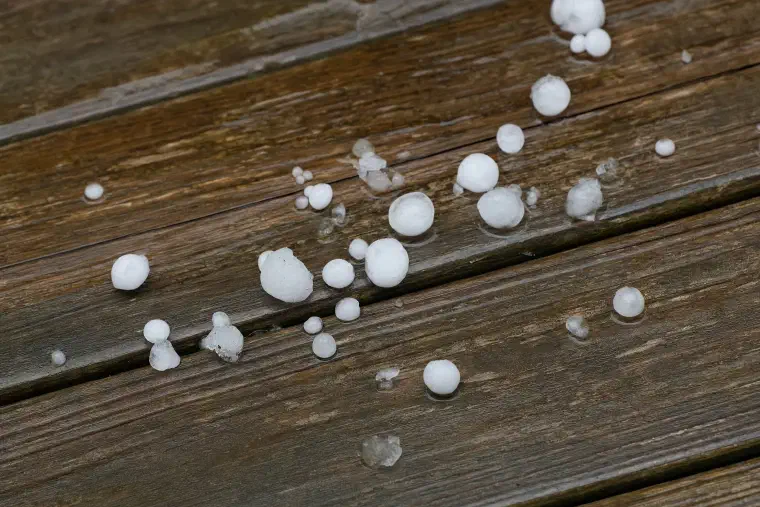
Usually, yes. Homeowners insurance typically covers hail damage to a roof, because hail is one of the sudden events a policy names. What you get paid depends on your deductible, the age of the roof and how your policy settles roof claims, so the policy and the adjuster have the final word.
The short version
- Hail is a named cause in most homeowners policies, so real hail damage is normally covered.
- Wear and tear is not. If hail hits a roof that was already worn, the claim can be cut or denied.
- Many policies carry a separate wind and hail deductible, which can be higher than your usual one.
- A small repair often costs less than the deductible, so a claim may pay nothing.
- The insurer’s adjuster decides what is paid. We cannot promise a result.
What kind of hail damage does a policy pay for?
A policy pays for sudden, accidental damage from a named cause, and hail is one. The Maryland Insurance Administration says homeowners policies typically cover losses (opens in a new tab) that are sudden and accidental, caused by perils such as fire, wind, hail and the weight of ice or snow.
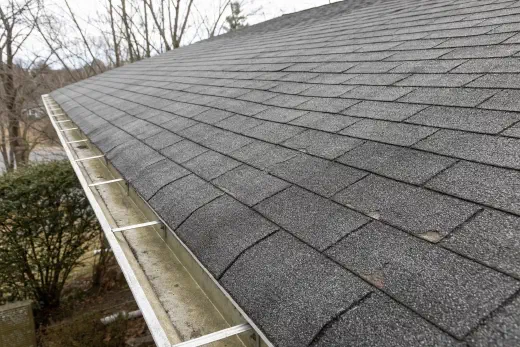
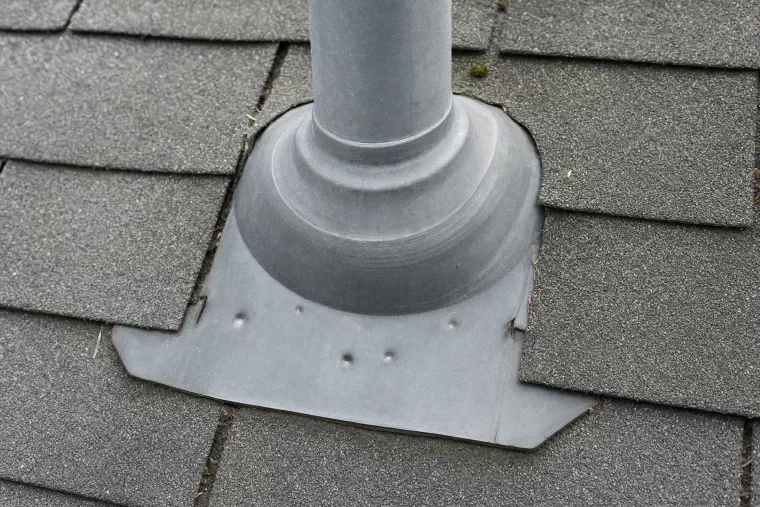
On shingles, hail leaves a mark that is easy to describe once you know it. University of Missouri Extension says a hail hit looks like a bruise or a dark spot (opens in a new tab) where the granules, the gritty top layer, were knocked off. Dents in gutters, vents and flashing are the other clue, and they are usually easier to spot from the ground.
Will insurance cover hail damage on an older roof?
Sometimes, but it often pays less. Age matters in two ways: how the policy values the roof, and whether the roof was already worn when the hail came.
The Maryland advisory says policies do not cover “maintenance,” so damage from wear and tear or deterioration (opens in a new tab) generally will not be paid. It adds that if hail damages a roof already in need of maintenance, the policy may not cover all or part of the claim.
We see why that happens. Storms tend to reveal weak roofs more than they ruin sound ones, and hail bruises a shingle that heat has already made brittle. An adjuster has to decide how much was the storm and how much was the roof, and that is where most of the arguments start.
How does the deductible change what you get?
It can change it a lot. Some policies have a special deductible for wind and hail that is used instead of the usual one, and the Maryland Insurance Administration says it may be a flat amount or a percentage (opens in a new tab) of the coverage on the dwelling.
The same advisory gives a plain example. A wind storm causes $3,000 of damage, and the policy has a $1,000 wind deductible, so the insurer pays $2,000. Now picture a percentage deductible big enough to match the repair, and the payment is zero.
| Your situation | What it usually means for the check |
|---|---|
| Repair costs less than the deductible | The claim pays nothing |
| Roof paid at actual cash value | Age is subtracted, so the check is smaller |
| Roof paid at replacement cost | Often paid in two steps, with the rest after the work is done |
| Hail on a roof that was already worn | Part or all of the claim can be refused |
For scale, replacing one to three shingles typically runs $300 to $650 around Ellicott City. If your deductible is higher than that, you would pay the whole bill yourself either way. Look up the wind and hail line on your policy’s declarations page before you decide to file.
What if hail only damaged part of the roof?
Then the policy may pay for only that part. Maryland’s advisory says that if only a portion of the roof is damaged, the policy may cover the repair (opens in a new tab) of the damaged portion only.
The annoying part is the color match. Old shingles fade, and a patch can stand out. Discontinued shingles can push a repair toward a bigger one. If you want to know where a full replacement comes into it, our guide to insurance and roof replacement walks through it.
Who decides if the damage is from hail?
Your insurer’s adjuster does. University of Missouri Extension says the question of whether hail damage is claimable is best answered by an adjuster (opens in a new tab), and that companies set their own standards.
It also says homeowners tend to do best when an experienced roofer walks the inspection with the adjuster and points out damage that might be missed. Hail damage is subtle. It takes a thumb press on the shingle to feel the bruise, and a drone alone will not find it. Our guide on how a roof is inspected for hail shows the steps.
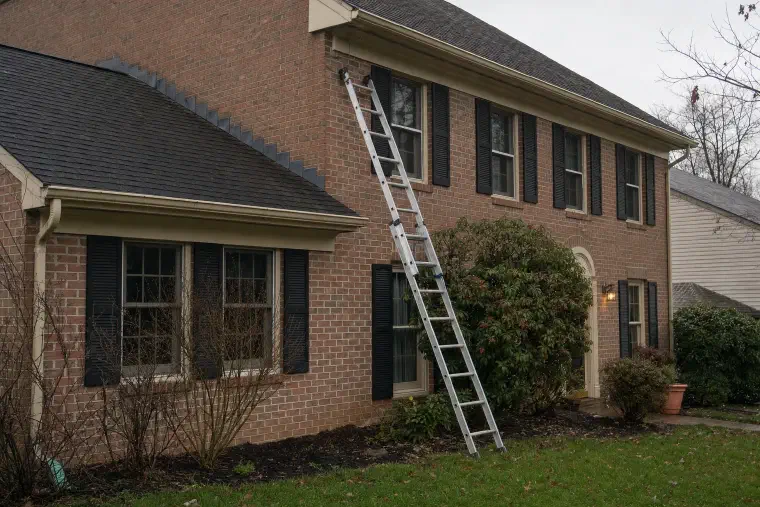
Our free roof inspection includes a walk on the roof and a written report with photos. Be straight with yourself about it, though. A free inspection is a sales visit, and we are paid when jobs close. If you expect a dispute with your insurer, a paid independent inspector is the more neutral pick.
How long does a hail claim take?
Longer than the repair. An insurance claim typically adds 4 to 12 weeks before work begins, because the adjuster has to visit, write up the damage and agree on the scope. A big hailstorm makes every roofer’s schedule worse too: one wind or hail event can turn a 3-day backlog into 3 weeks.
If water is getting in before then, ask your insurer whether temporary repairs are covered and keep every receipt. Emergency tarping typically runs $350 to $900.
What about a roofer who knocks on your door after the storm?
Be careful with anyone who offers to find damage for you. The Maryland Insurance Administration warns that unsolicited offers to inspect a roof to generate a claim are often part of a fraud scheme (opens in a new tab) by dishonest contractors who misrepresent wear and tear as storm damage.
A real inspection tells you what is there, including when the answer is “no hail damage.” We would rather say that and let you save the deductible than invent a claim.
Common questions
Is there a deadline to report hail damage?
Check your policy. A policy can set a time limit for reporting a loss, and it is not the same for every insurer. Call your insurer or agent soon after the storm and ask what the deadline is in writing.
Do you have to fix the roof after a payout?
Often yes, if the policy pays replacement cost. The Maryland advisory says most homeowners policies require the repair to be finished (opens in a new tab) before full reimbursement. Until then you may get only the repair cost minus depreciation.
Will a claim raise my premium?
It can affect your renewal or your price. That depends on your insurer, so ask your agent before filing a small claim.
Who do you call if the insurer will not pay?
Start with your agent or insurer. If you think the company has not lived up to the contract, the Maryland Insurance Administration (opens in a new tab) takes complaints at 410-468-2000.
What to do next
If a storm just went through, get a clear picture of the roof before you decide on a claim. Our storm and wind damage roof repair service starts with a look at what is actually there. The phone is answered 24/7, and your policy and your insurer decide what gets paid.