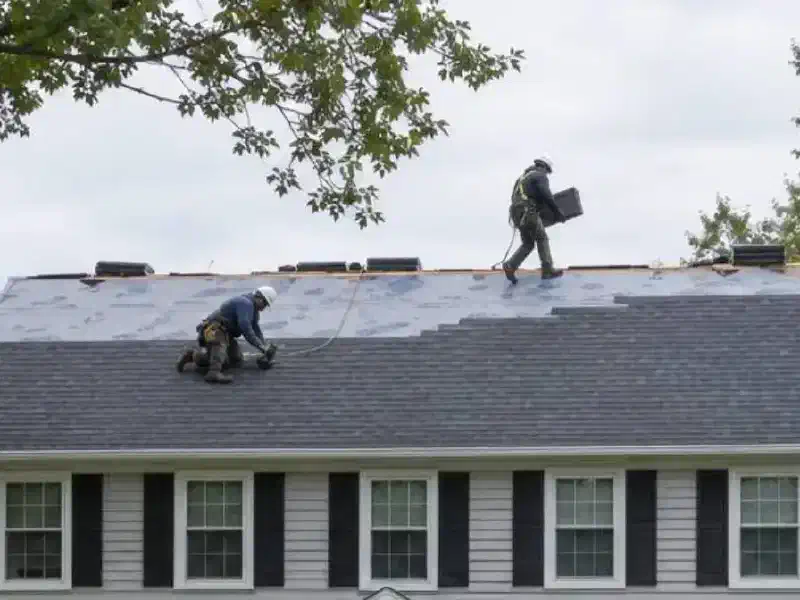
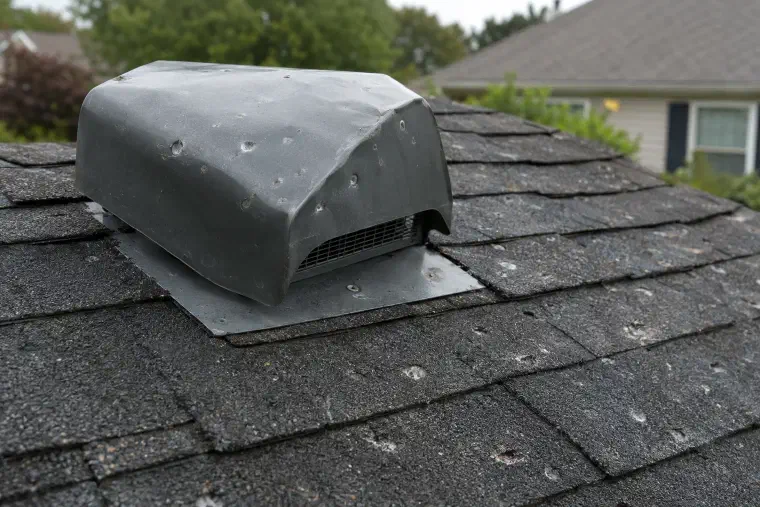
When you ask is it cheaper to replace a roof with shingles or metal, the answer is shingles almost every time. Architectural asphalt shingles run about $6.00 to $9.00 per square foot installed, while standing seam metal often lands at two to two and a half times that amount. Metal can pay off over decades, but the upfront check is smaller with asphalt.
TL;DR
- Architectural asphalt shingles are the cheaper upfront replacement, usually $6.00 to $9.00 per square foot installed in Ellicott City.
- Standing seam metal typically costs about two to two and a half times asphalt.
- Metal lasts longer, often 40 to 50-plus years, while Maryland asphalt shingles realistically last 18 to 25 years.
- Cost per year can flip in metal’s favor only if you stay in the home long enough.
- Installation quality affects lifespan more than the material choice does.
Shingles win on the upfront price
Yes, shingles are cheaper to install in almost every case. National installed-cost guides put architectural asphalt at roughly half to a third of standing seam metal per square foot, and 2026 comparison data shows the same split holding across typical home sizes.
For a full asphalt shingle roof from us, you are usually looking at $6.00 to $9.00 per square foot installed. That depends on roof size, pitch, complexity, and access. Metal costs more because it is a different system, not because shingles are a cut-rate choice.
What you actually pay per square foot
Cost guides show a wide band, but the ranking rarely changes. This table uses installed-cost ranges from 2026 comparison data, a current price guide, and material price data.
A standing seam metal system sits at the top of the installed-cost range.
| Roof system | Installed cost per square foot | Typical lifespan |
|---|---|---|
| Architectural asphalt shingles | $4.50 to $9.00 | 20 to 30 years |
| Exposed-fastener metal | $5.50 to $10.00 | 25 to 35 years, with more maintenance |
| Standing seam metal | $9.00 to $16.00 | 40 to 50-plus years |
Why metal costs more to fit
Metal roofs cost more because the panels, trim, and fasteners are more expensive, and installation takes longer and needs more skill. The material itself starts higher, and a metal roof installation gets cut and formed to the specific roof dimensions.
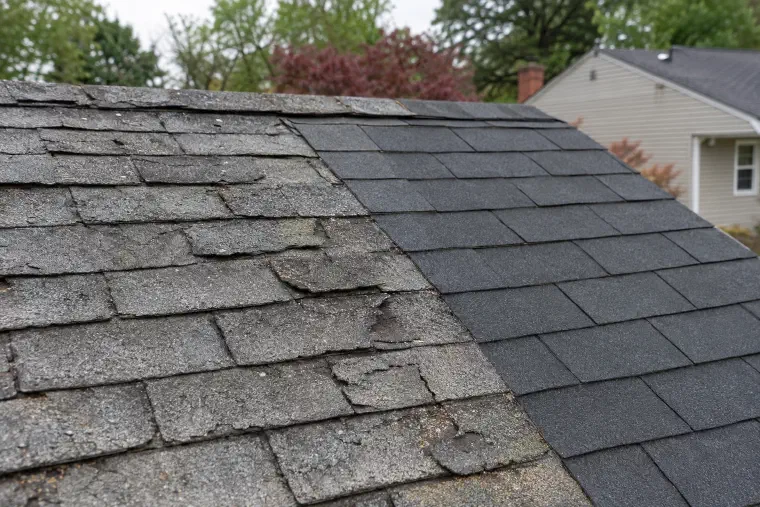
That custom work leaves less room for error, and crews charge accordingly. A metal versus asphalt breakdown points to specialized trim, panel-lock seams, and slower labor as the main reasons the price climbs. More flashing details at ridges, walls, and penetrations also add to the total.
When metal becomes the cheaper roof
No, not if you measure cost per year and stay in the home long enough. A standing seam metal roof often lasts 40 to 50-plus years, while Maryland asphalt shingles realistically last 18 to 25 years. If a $25,200 asphalt roof lasts 20 years, that is $1,260 per year before inflation. A metal roof at 2.5 times the price would need to last about 50 years to land near the same annual figure, which it often can.
According to material lifespan data and independent roofing tests, metal’s longer service life can close the upfront gap over decades.
We always tell people the same thing here: a lifespan estimate assumes the install was done right. The same shingle can last 25 years or 9 years depending on where the nail went. The contractor’s workmanship warranty matters more than the manufacturer’s.
How Ellicott City prices change the picture
National numbers are useful, but local access, pitch, and roof complexity matter. A typical Ellicott City replacement roof is around 3,580 square feet, and a complete architectural asphalt system here runs about $25,200, with most jobs landing between $22,500 and $29,500.
Standing seam metal on that same average roof tends to land at two to two and a half times the asphalt price, call it roughly $50,000 to $63,000. The best way to get a real number is to have someone walk the roof and measure, not to guess from a national average. A free roof inspection gets you that measured square count and a written report before you decide.
The detail that matters more than the material
Neither price tag tells you how long the roof will actually last. Installation quality at flashing, fastening, and ventilation matters more than the shingle-versus-metal decision. We have seen the same shingle last 25 years or 9 years depending on where the nail went.
Those defects are invisible from the ground, which is why independent roofing tests measure whole roof systems, not just the shingle sample. Before you spend more on metal thinking it removes risk, ask whether the crew will get the details right. A bad metal install leaks at the seams and penetrations just like a bad shingle install does.
Common questions
Is a metal roof worth the extra cost if I plan to sell soon?
Usually not, because you are unlikely to recover the full upfront premium in a typical sale window. Metal can be a selling point, but appraisers rarely assign the same dollar value a seller paid. If you plan to move within five to seven years, a sound asphalt roof often makes more financial sense.
Can metal roofing be installed over existing shingles?
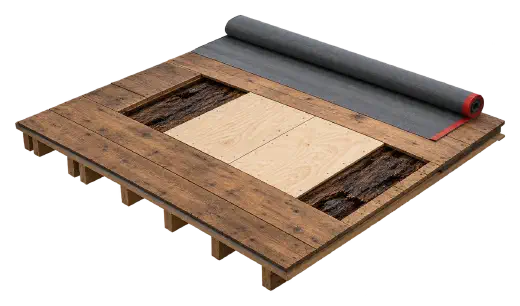
Sometimes, but it is often not the best plan. Building code and manufacturer instructions may allow metal over one layer of asphalt, but the old layer can hide wet or rotted decking and add weight. A tear-off gives the installer a clean look at the deck and flashing, which is where leaks actually start.
Does a metal roof reduce cooling costs enough to matter?
Metal reflects more of the sun’s heat than dark asphalt, and an air gap under the panels can reduce attic heat gain. The savings depend on roof color, coating, ventilation, and your existing insulation. For most Maryland homes, cooling savings alone will not usually pay for the higher metal price by themselves.
Is it cheaper to repair metal or asphalt shingles?
Asphalt shingle repairs are usually cheaper and easier because individual shingles can be swapped without disturbing much of the roof. Metal repair often means reworking a panel, seam, or fastener run, and matching older panels can be harder. The lower repair cost is one reason asphalt remains the practical budget choice.
Do metal roofs raise or lower homeowners insurance premiums?
There is no simple yes. Some insurers give small credits for impact-resistant metal roofing, especially in hail-prone regions, while others base premiums mainly on fire rating, location, and claim history. The best approach is to ask your insurer for a quote before choosing metal for a premium break.