A sagging roof means the wood under the shingles has lost strength, or is carrying more weight than it was built for. The usual causes are long-term water damage, extra layers of roofing, heavy snow, and framing that was too light from the start. A sag is a structural problem, not a surface one, so shingles alone will not fix it.
The short version
- A dip in the ridge or a hollow in a slope comes from the roof’s wood, not from the shingles.
- Rot from slow leaks and trapped attic moisture is the most common cause we see.
- Extra shingle layers, snow and light framing add load to a roof that is already tired.
- Sagging along with creaking, cracked drywall or sticking doors needs a look soon.
- Fixes run from replacing a patch of decking to correcting the ridge, so the cause decides the price.
What causes a sagging roof?
Three things sit behind almost every sag: wood weakened by moisture, too much weight, or framing that was never strong enough. Often it is two at once. A roof with old, damp rafters (the sloped boards that hold the roof up) will sag under a snow load that a dry roof would carry.
The sag also tends to be slow. By the time you can see a dip from the street, the cause has usually been working for years.
Can water make a roof sag?
Yes. Wood that stays wet rots, and rotted wood bends. A USDA Forest Service lab paper says wood decays above 30% moisture (opens in a new tab) and does not decay below 20%, so a roof deck that stays damp is on the wrong side of that line.
Water gets to the wood two ways. The first is from above: a leak at a chimney, a valley or a cracked pipe boot that nobody caught. The second is from below, and it surprises people. Warm, humid air from bath fans, can lights and the attic hatch condenses on the cold underside of the roof deck in winter. Over many cycles the deck delaminates, and a roof can lose its deck without a drop coming in from above.
Clogged gutters add a third route. A full gutter holds water against the fascia, which rots, then the rafter tails, then the first few inches of decking. It is invisible from the attic and the ground. We cover the slow version of this damage in what happens if a leak is left alone.
Can extra shingle layers or snow make a roof sag?
Yes, though both usually need a weak roof to start with. Every layer of shingles adds weight, and a second layer on a roof that was already tired adds weight right where the wood is softest. A second layer also hides the deck, so nobody can see that it is in bad shape.
Snow is the other load. Cornell’s farm safety program lists sagging, bowed trusses and creaking (opens in a new tab) among the warning signs of an overloaded roof, and says drifting snow can pile up on one part of a roof until that part gives. That article is written about barns, but wood roofs on houses behave the same way. If you are wondering whether to clear snow off yourself, read should you remove snow from your roof first.
Is the roof framing the problem?
Sometimes the answer is in the framing. Rafters that are too small for the span, trusses with failed metal plates, and old additions built without a permit all sag with no water damage at all. If you are not sure which you have, roof truss vs rafter shows how to tell from the attic.
Here is the annoying part: a lot of these are found only on tear-off day. Once the old shingles and decking come off, a roofer can see a sagging ridge or undersized rafters that no ladder inspection could. When that happens, the job usually needs an engineer’s letter, which typically runs $600 to $1,500, plus a permit revision. Framing problems found this way can add $3,000 to $15,000 or more and days to weeks of delay.
How can you tell a sag from a wavy roof?
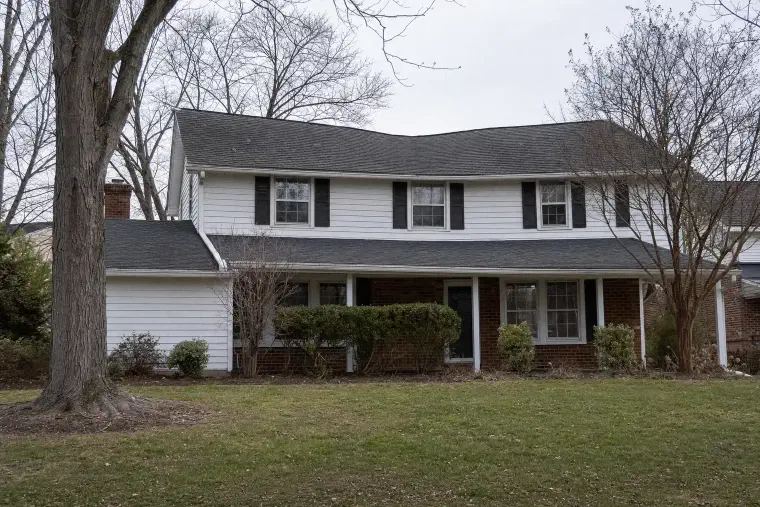
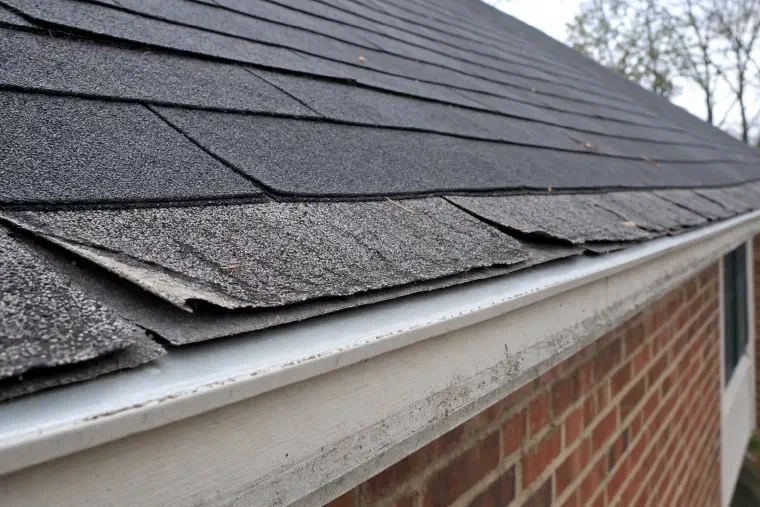
Look for a dip in a straight line. The ridge should run level and each slope should be flat. Hold a long straight board against a slope, or sight along the ridge from the far end of the yard. A true sag shows as a hollow. Shingles that look wavy from age are often just curling.
| What you see | What it usually means | What to do |
|---|---|---|
| Dip in the ridge line | Rafters or ridge board giving way | Get it looked at soon |
| Hollow between rafters | Soft or delaminated decking | Decking repair or a section replaced |
| Sag plus creaking or sticking doors | Load on the framing | Call right away, stay off the roof |
| Dark, damp wood in the attic | Long-term moisture | Find the water source first |
| Sag after heavy snow | Load on weak framing | Have the framing checked |
Keep in mind that you can check a lot from the attic with a flashlight. Look for dark or soft wood, stained decking, rafters that bow, and daylight where there should be none. Winter is the best time, because frost on the underside of the deck shows moisture that is invisible the rest of the year.
What does it cost to fix a sagging roof?
It depends on how deep the damage goes. A decking section plus new shingles typically runs $1,500 to $5,000. Rafter sistering (bolting a new board beside a weak one) or ridge correction typically runs $3,000 to $15,000. Decking found wet under a repair can add $150 to $500 or more, and a full sheet of decking runs $70 to $150 installed when a replacement turns up bad boards.
These are area ranges, not a quote. A steep pitch, poor access and a deck that is rotted far past the sag all push the number up.
Common questions
Can a sagging roof collapse?
It can, which is why a sag that is growing needs attention. Most sags are slow and give warning first, such as creaking, new cracks in the ceiling or doors that start to stick. If you see those along with a visible dip, stay out of the attic and call.
Can you fix a sagging roof without replacing it?
Often, yes. If the damage is in one area, a roofer can replace the bad decking, sister the rafters or correct the ridge, then reshingle that part. A roof near the end of its life, with damage across several slopes, is a different question. In Maryland, asphalt shingles realistically last 18 to 25 years.
Does the free roof inspection cover structural problems?
It tells you what a roofer can see: the surface, the flashing and, when it is safe, the attic. It is not a structural assessment. If we flag a framing concern, the definitive answer comes from an engineer’s letter.
What to do next
If your roof has a dip, a soft spot or a ceiling that has started to bow, have it looked at before the next heavy snow. We check the surface and the attic and write up what we find with photos, and the inspection is free. For the repair itself, see our roof damage repair page, or book a free roof inspection.