A roof warranty is usually two promises, not one. The shingle maker promises the shingles are free of manufacturing defects. Your roofer promises the work was done right. Most of what homeowners expect a warranty to cover, like labor, wind damage or a bad install, sits in the gap between them.
The short version
- A new roof usually comes with a maker’s warranty on the materials and a separate workmanship warranty from the installer.
- The “50-year” or “lifetime” number is about defective shingles, not how long your roof will last.
- Maker warranties usually leave out storms, bad ventilation and the cost of labor.
- Ask for the workmanship warranty in writing, with its length and what it excludes.
- If you buy a house with a newer roof, check whether the warranty moves to you.
What are the two kinds of roof warranty?
Your new roof will likely come with two types of warranties (opens in a new tab): a manufacturer’s warranty, which covers defects in the roofing materials themselves, and a workmanship warranty, which covers the quality of the installation. They are written by different companies and they pay out for different problems.
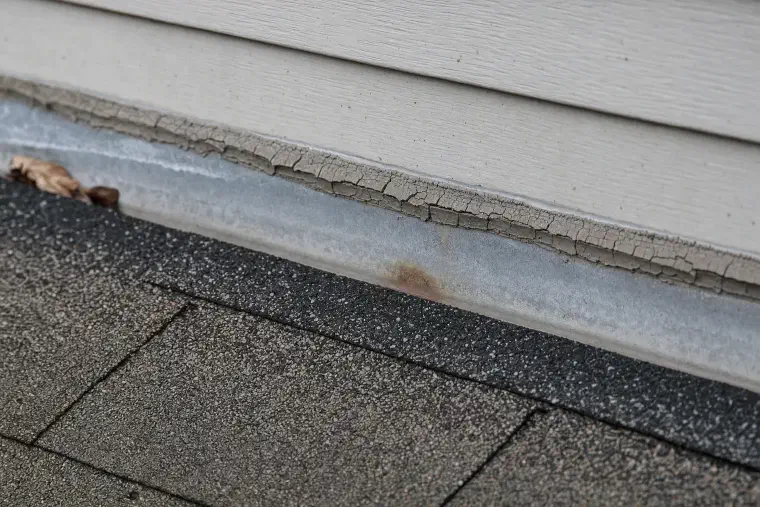
If the shingles come apart because they were made badly, that’s the maker’s problem. If water gets in because a crew nailed high or reused old flashing, that’s the installer’s problem. Flashing, for the record, is the thin metal that seals the joints where the roof meets a chimney, a wall or a pipe.
Does the maker’s warranty cover a bad installation?
No. The maker’s warranty covers the product, and installation mistakes are the installer’s to answer for. This is the most common mix-up we hear about. The warranty number on the package, say “50-year”, is a manufacturing defect warranty. It is not a promise about how long the roof will last in the field.
In Maryland, asphalt shingles realistically last 18 to 25 years. We cover that gap in how long a 30 year shingle lasts. The short answer is that the label describes a tier of coverage, not a countdown clock.
What does a “lifetime” warranty pay?
Less than the word suggests. Consumer Reports puts it plainly: in roofing, a lifetime is more like 10 years (opens in a new tab), which is how long most makers pay the original owner in full to replace defective shingles. After that, you get paid for the shingles’ depreciated value, not a new roof.
Said another way, a check for a prorated amount (opens in a new tab) is what you should expect if the shingles fail later in the term. The older the roof, the smaller the check. Labor is the part to ask about. A warranty named for the shingles pays for shingles, and whether it pays anyone to put new ones on depends on the exact wording.
What do maker and installer warranties usually leave out?
Both leave out a lot, and the list is worth reading before you sign. These are the usual gaps:
| Problem | Maker’s warranty | Installer’s warranty |
|---|---|---|
| Shingles defective from the factory | Usually covered, often prorated | Not its job |
| Nails placed too high, reused flashing | Not covered | Covered, if the warranty is in writing |
| Wind or hail damage | Usually not covered (opens in a new tab) | Usually not covered (that’s an insurance question) |
| Poor attic ventilation | Can void the claim (opens in a new tab) | Depends on who set up the ventilation |
| Labor to remove and replace | Check the wording; it is often not included | Covered for the fix itself |
| A new leak somewhere else | Not covered | Not covered |
Two of those rows show up on our jobs a lot. Consumer Reports notes that a roofing warranty won’t pay (opens in a new tab) if the shingle maker finds problems in your home’s ventilation. An attic that can’t breathe cooks shingles from underneath and can cut a roof’s life nearly in half, so a maker has every reason to look there first. Insurers and makers also tend to treat wind and hail as an insurance matter, and your homeowners policy and the adjuster decide what is covered, not us.
What does a workmanship warranty cover?
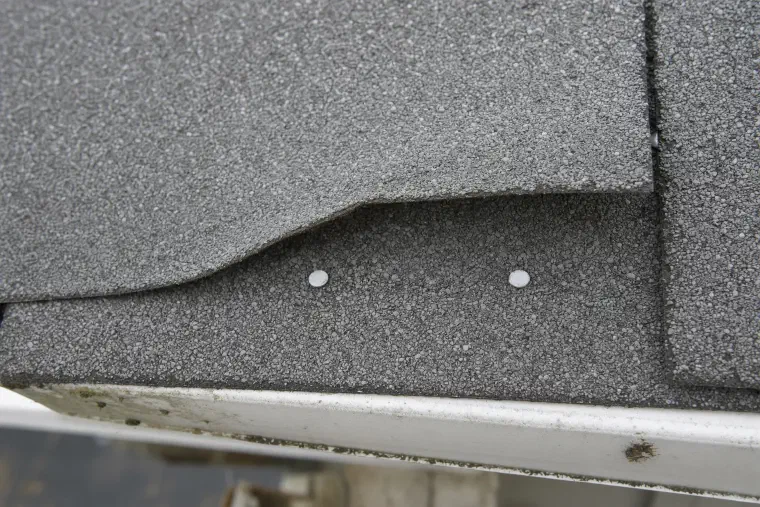
It covers the installation: the nailing, the flashing, the underlayment and the details around chimneys, valleys and pipes. That is also where roofs leak. We tell homeowners the installer’s warranty matters more than the maker’s, because water gets in at flashing, valleys and transitions, and those are all labor details.
The same shingle can last 25 years or 9 depending on where the nail went. A maker’s warranty will not help you with that, because a high nail is not a defect in the shingle. It’s a defect in the work, and the only warranty that touches it is the installer’s.
How long should a workmanship warranty last?
There’s no single answer, and anyone quoting you one number for every roofer is guessing. This Old House says most reputable contractors offer a workmanship guarantee (opens in a new tab) of at least one to two years, on top of the maker’s warranty. Some offer far longer. What matters is that it’s written down.
For smaller jobs it works differently. On a repair, a warranty usually covers only the repaired spot, typically 30 days to 1 year, and often none on a roof older than 15 to 20 years. A new leak two feet away is a new call. If you’re comparing roof estimates, put the warranty length next to the price. A cheap bid with no written warranty is not cheap.
Do you have to use a certain installer for the warranty to count?
Often, yes. This Old House points out that manufacturer material warranties are only valid if a certified professional (opens in a new tab) roofing contractor installs the roof to the maker’s instructions. Consumer Reports adds that Owens Corning offers its lifetime warranty on certain lines provided you use one of its licensed installers (opens in a new tab), so the label on the bundle is not the whole story.
Before you sign, ask which warranty you’re getting, who issues it, and what you have to do to keep it valid. Some ask for regular inspections (opens in a new tab) to keep coverage. Miss a step and the claim can fail.
Common questions
Does a roof warranty transfer when you sell the house?
Sometimes, and it’s not automatic. If you’re buying a home with a recently installed roof, ask for the maker’s name, tell the company about the change of owner (opens in a new tab), and find out whether the warranty passes to you. A roof being recent does not mean it’s covered.
Does a roof warranty cover leaks?
Only leaks caused by what the warranty covers. A leak from a defective shingle falls to the maker, and a leak from bad flashing falls to the installer. A leak from a storm, a clogged valley or a failing caulk bead usually falls to neither. Caulk is a consumable with a life of about 5 to 10 years, which is why we don’t like flashing details that depend on it.
Does a roof warranty cover storm damage?
Usually not. Manufacturers usually won’t cover damage (opens in a new tab) from so-called acts of God, such as severe windstorms and hail. That goes to your homeowners insurance, and the policy and the adjuster decide what is paid.
Will a repair void my roof warranty?
It can, if the warranty says only an approved installer may touch the roof, so read yours before anyone repairs it. Keep the paperwork from any repair too. If you’re not sure where you stand, a free roof inspection gives you a written report on the condition of the roof today.
What to do next
Find your warranty paperwork now, not after the first leak. Check who issued it, what it excludes and when it ends. If you’re planning a new roof installation, ask each roofer for the workmanship warranty in writing before you compare prices. And if something is already dripping, a roof repair call starts with finding the real cause, which also tells you which warranty, if any, applies.