A cool roof is a roof that reflects more sunlight and soaks up less heat than a normal one, so it stays cooler in the sun. For most Maryland homes the gain is small, and a few details of how your roof is built matter more than the color on top of it.
The short version
- A cool roof reflects more sun, so the surface runs cooler and less heat gets into the house.
- It works best where summers are long and hot and the air conditioner runs a lot.
- In a place with real winters it can raise your heating use a little.
- The Department of Energy says it is rarely worth replacing a sound roof just to make it reflective.
- If your roof is due anyway, a lighter or reflective shingle is a fair thing to ask about.
What makes a roof a cool roof?
A roof is “cool” because of two surface properties: how much sunlight it bounces back, and how well it sheds the heat it does absorb. The Department of Energy calls them solar reflectance and thermal emittance (opens in a new tab), and both are scored from 0 to 1. The higher the numbers, the cooler the roof stays.
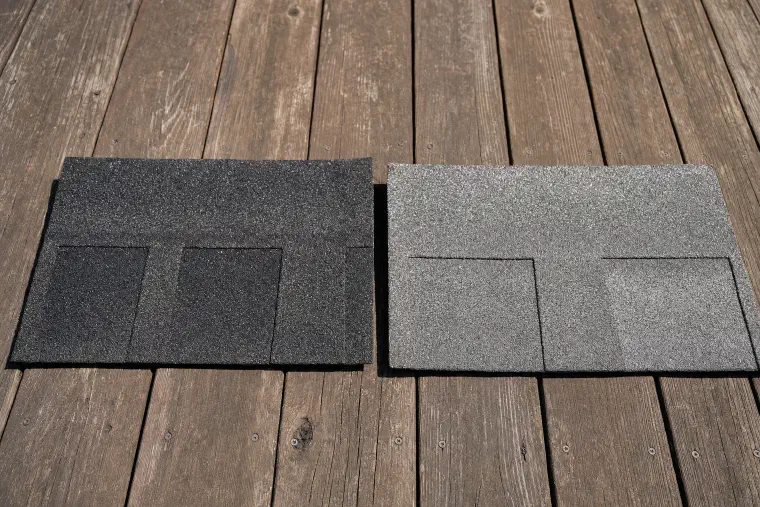
Color is the easy way to picture it. A dark roof turns most of the sun into heat. A light one sends a lot of it back. The same DOE guide says dark roofing reflects 5 to 20 percent (opens in a new tab) of the sunlight that hits it, while light-colored roofing typically reflects 55 to 90 percent.
How hot does a dark roof actually get?
A dark roof can top 150°F on a warm, sunny day. DOE says typical dark roofs absorb 90 percent or more (opens in a new tab) of the sun’s energy, and a cool roof may absorb less than half. That hot surface pushes heat into the attic and the rooms below, and the air conditioner has to work harder to keep up.
We see the other side of this too. An attic with no airflow cooks shingles from underneath, which can cut a roof’s life nearly in half. A cool surface helps from above, but it does not fix a stuffy attic from below.
What does a cool roof save?
Less than the sales pitch suggests, and the most in hot places. DOE says that in warm or hot climates a cool roof can cut air-conditioning use by up to 15 percent (opens in a new tab) in a single-story building. The EPA reports that in air-conditioned homes a cool roof can lower peak cooling demand by 11 to 27 percent (opens in a new tab).
Peak demand is the hottest afternoon of the year, not your whole summer bill. In a house with no air conditioning, the EPA says a cool roof lowers the top indoor temperature by only about 2 to 6°F (opens in a new tab). That helps on a bad day. It does not turn an attic into a cellar.
Does a cool roof make sense in Maryland?
Sometimes, as a small bonus on a roof you already need. A cool roof can raise your heating use in winter, because it also reflects sun that would have warmed the house. The DOE guide says that even in mixed climates winter penalties can be smaller (opens in a new tab) than summer savings, and the EPA says the heating penalty is typically offset (opens in a new tab) by summer cooling savings.
Maryland has both a cooling season and a heating season, so both effects show up. That is why the gain is modest here. It is not a reason to rip off a roof that still works.
Should you replace a good roof to get one?
No. The same DOE guide says it is rarely economical to replace a sound roof (opens in a new tab) just to raise its reflectance. In Maryland, asphalt shingles realistically last 18 to 25 years, and throwing away years of life for a few degrees makes no sense.
The time to think about it is when the roof is already worn out. Then a lighter shingle costs little extra. The DOE guide put cool asphalt shingles at up to $0.50 per square foot more (opens in a new tab) than ordinary ones, and that figure comes from a 2011 guide, so ask for a current price.
Which roofing materials come in cool versions?
Most of the common ones do. The table shows what DOE lists.
| Roof type | How it gets cool |
|---|---|
| Asphalt shingles | Light or specially coated granules that reflect more sun |
| Metal | A factory paint finish that reflects and sheds heat |
| Clay or concrete tile | Naturally pale, or glazed or coated |
| Flat roof membranes | White surface, as with many TPO and PVC sheets |
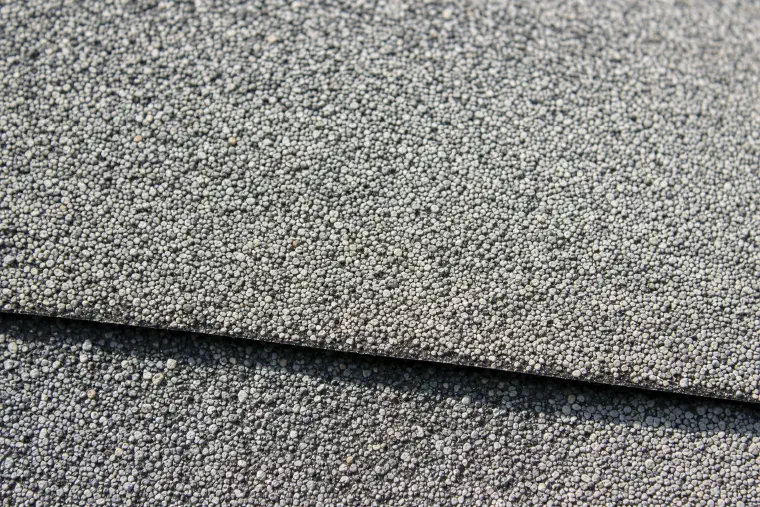
For shingles, DOE says specially coated granules (opens in a new tab) give better reflectance. It also says coating old shingles to make them cool is not normally recommended. Coating an old roof is a different job from putting on a shingle made that way.
Does shingle color change anything else?
Not how long the roof lasts. What decides that is where the nails go, how the flashing is done and whether the attic breathes. The same shingle can last 25 years or 9, depending on the install. If color is on your mind, our piece on roof shingle color covers the looks and the neighborhood rules, and how long shingles last covers the years.
Common questions
Is a white roof the same as a cool roof?
Not always. White roofs are the coolest, but DOE says cool colors are a popular alternative (opens in a new tab) for roofs the neighbors can see. A cool roof is defined by how much sun it reflects, and some darker colors can be made to reflect more than you would guess.
Will a cool roof lower my energy bill?
Probably a little, in summer. The savings are biggest in hot climates, and in a colder one the winter heating penalty eats into them. A well-vented attic and enough insulation matter more, and DOE says a reflective surface is never a substitute for enough insulation (opens in a new tab).
Do cool roofs cost more?
Sometimes a little, sometimes nothing. Cool shingles are usually a modest step up from ordinary ones. Our standard roof replacement covers a regular architectural shingle, so tell us up front if you want a reflective one, and we will price it with the rest of the job.
What to do next
If your roof is getting old, the cheapest way to find out where it stands is a look at the surface and the attic. Our free roof inspection includes both, with a written report. When a new roof is on the table, see roof installation and tell us about any shingle color or reflectivity you want considered. Better airflow in the attic is also worth a look: see attic venting.