

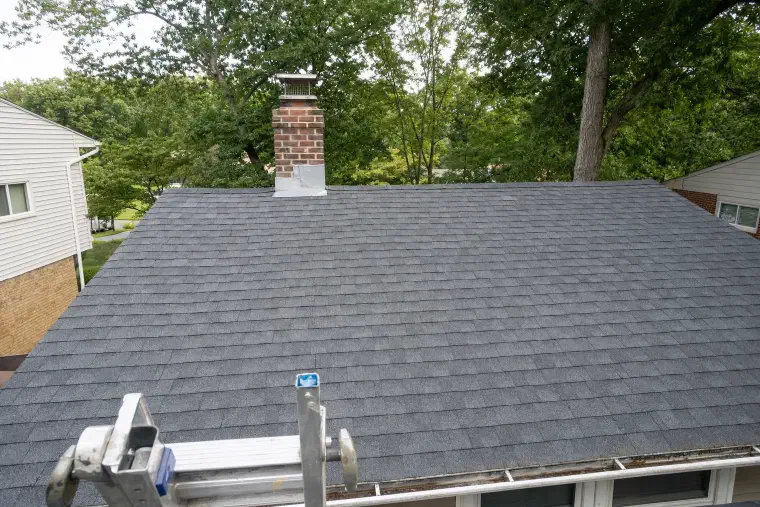
A roof certification is a short written statement from a roofer that your roof is sound today and should last a stated number of years. Lenders, insurers and buyers ask for one when they want proof of the roof’s condition from someone who has been up on it.
The short version
- A certification is a signed letter about the roof’s condition and its remaining life, not a warranty.
- It usually comes up when a home is bought with a government-backed loan, or when an insurer wants proof of condition.
- It is a different job from our free roof inspection, and it typically runs $150 to $400.
- A roof with years left and no leaks has the best chance of getting one, and a worn roof may not.
- Whoever asks for it decides what the letter has to say, so ask them first.
What is a roof certification?
A roof certification is a signed statement that a roofer looked at the roof and found it in a stated condition, with an estimate of how many years it has left. It is usually one or two pages, and it often comes with photos.
Think of it as the roof’s version of a note from the doctor. It says what the roofer saw on the day, and it does not promise what happens next. A storm the following week can change everything, which is why it is a snapshot and not a warranty.
Who asks for a roof certification?
Lenders, insurance companies and sometimes buyers ask for one. The most common time is a home sale, when the person lending the money wants to know the roof will last.
HUD’s handbook for FHA loans tells the appraiser to report a roof with less than two years of remaining life (opens in a new tab) and to make the appraisal subject to inspection by a professional roofer. That is where a certification often comes from. VA loans have property rules of their own, and the lender or appraiser can tell you what theirs needs. Insurers sometimes ask for a roof condition form on an older home.
Keep in mind that the rules change, and we are a roofer, not a lender. If your loan is involved, ask your lender what the letter must say before anyone climbs a ladder.
How is a roof certification different from a roof inspection?
An inspection tells you what is wrong. A certification puts a statement about the roof’s condition in writing for somebody else to rely on. The visit can look much the same, but the paperwork is not.
Our free roof inspection is a walk on the roof, a look at the attic when it is safe, and a photo report with the square count and an estimate of the roof’s remaining life. Formal certifications, such as VA/FHA roof certifications and insurance condition forms, are not part of that free visit. They are a paid service.
This Old House puts the broader split plainly: the difference is breadth and depth (opens in a new tab) between a roof inspection and a home inspection. A certification is narrower still. It is one question, answered in writing.
What does a roof certification typically cost?
A roof certification typically runs $150 to $400 in our area. The free inspection is $0, so the certification is the paid extra for the signed letter.
| Item | What it typically runs |
|---|---|
| Our roof inspection | $0 |
| VA/FHA roof certification | $150 to $400 |
| Home inspector’s roof section (bundled) | $150 to $250 |
| Standalone independent inspector | $200 to $450 |
| Structural engineer’s letter | $600 to $1,500 |
Those are area ranges, not a price list. The size of the roof and how hard it is to reach move the number. Call us and ask for the price on your house.
Will my roof pass a roof certification?
A roof with no active leaks and years of life left will usually pass. An old, worn or leaking roof may not, and the letter will say so honestly.
The National Roofing Contractors Association says most new roofs are designed to provide useful service for about 20 years (opens in a new tab), and that the real number depends on climate, materials, installation and upkeep. In Maryland, asphalt shingles realistically last 18 to 25 years. So an older roof is where the question gets real. Our guide to how long roof shingles last shows what wears them out.
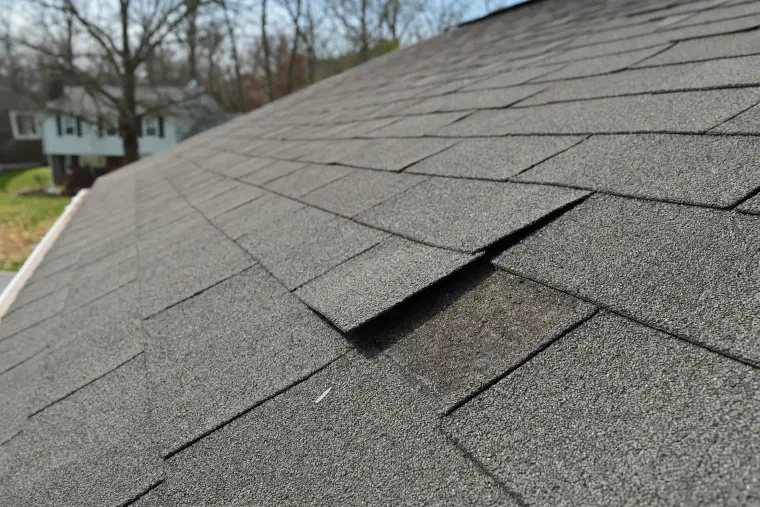
Shingles that have stopped sealing, active leaks and soft decking are the usual reasons for a no. One more thing to know: a leak that has not been found is a problem for any letter. Tracing a leak is its own paid job, typically $150 to $400.
What happens if the roof does not pass?
You get a list of what stands in the way, and then you choose. Often the fix is a repair, not a new roof, and we would rather tell you that than sell you a replacement.
If a lender is waiting, the repair usually has to be done and looked at again before the letter changes. A small fix like a cracked pipe boot is quick. A tired roof near the end of its life is a bigger talk, and our piece on selling a house with a 30-year-old roof covers the choices a seller has.
Common questions
Is a roof certification the same as a warranty?
No. A warranty promises repairs if something fails. A certification only states the roof’s condition on the day it was looked at, along with an estimate of its remaining life.
Do I need one if I am selling?
Only if the buyer’s lender or insurer asks. Some sellers get one early so a sale does not stall, but nobody should pay for a letter before knowing whether it is wanted.
How long does it take?
Our inspection visit takes 1 to 2 hours on site, with the report usually the same day or within 24 to 48 hours. Scheduling typically lands within 2 to 5 business days, and longer after a storm. Ask how long the signed letter takes when you book.
Is a roof certification the same as a home inspection?
No. A home inspector looks at the whole house, including the roof. A certification is about the roof alone, and it is a signed statement meant for someone else to rely on.
What should you do next?
Start by asking whoever wants the letter exactly what it has to say. Then get the roof looked at. Our free inspection shows where the roof stands, so you know before you pay for a letter. You can read what the report holds in what is in a roof inspection report. To book a visit, call us any time. The phone is answered 24/7.


