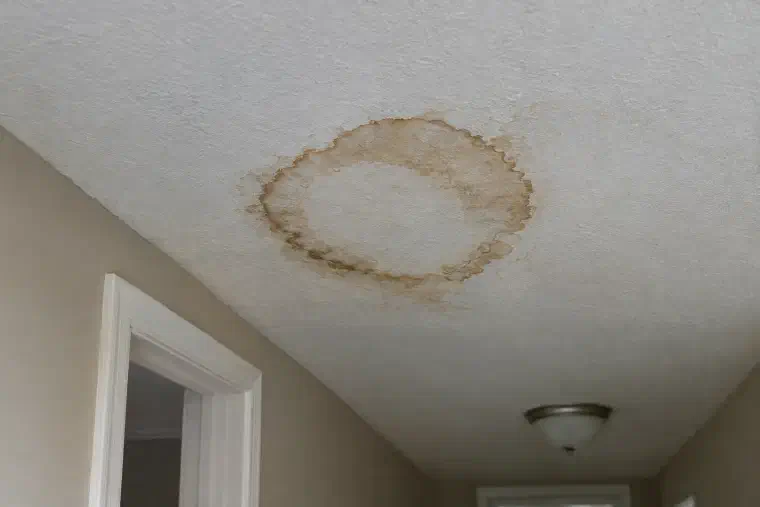
A minor roof leak is a small, localized water entry that has not yet caused visible interior damage, like a faint ceiling stain or an occasional drip. Most minor leaks can be fixed with a straightforward roof repair in the $350 to $900 range, but ignoring one can lead to rotted decking and repairs that climb past $1,500 once the problem spreads.
The short version
- A minor roof leak means a small water entry point with no major interior damage, often from flashing or a vent boot.
- Even a tiny drip can rot roof decking over time, turning a $400 fix into a $1,500 repair or more.
- Most minor leaks cost $350 to $900 to repair professionally, depending on the source.
- Homeowners insurance typically will not cover leaks caused by aging or lack of maintenance.
- A free roof inspection can catch small issues before they become expensive emergencies.
How do you know if your roof leak is truly minor?
A leak is minor when water entry is small, localized, and has not caused visible interior damage beyond a small stain or damp spot. You might see a faint watermark on the ceiling, a drip that only appears during heavy rain, or a damp patch in the attic insulation. The key difference from a major leak is that the roof decking is still sound, and there is no sagging, mold bloom, or water pouring through a light fixture.
Even a minor leak deserves attention. Water that drips slowly for months can soften the plywood decking and encourage mold in places you cannot see. A roof repair that catches the problem early keeps a small stain from becoming a structural headache. According to Liberty Mutual, minor leaks often start small but grow quickly when left alone, and Today’s Homeowner notes that small issues grow into expensive damage because the water spreads beneath the shingles before you ever see a sign inside.
Where do minor roof leaks usually come from?
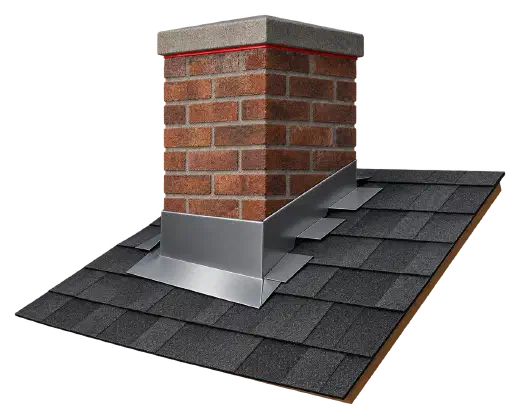
Most minor leaks start at roof penetrations and flashings, not in the open shingle field. The usual suspects are pipe boots, attic vents, skylights, valley metal, and chimney flashing. In our experience, flashing is where roofs actually leak: a cracked chimney flashing or a dried-out pipe boot lets water in long before the shingles give out.
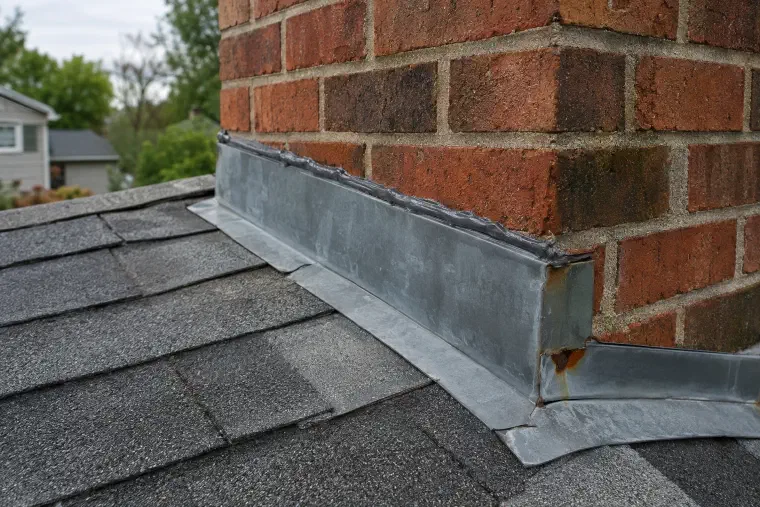
Flashing failures are the leading cause of roof leaks, according to the National Roof Authority, which points out that flashing and penetration failures account for the majority of callouts. Lowe’s guide to common leak locations includes skylights, vents, and step flashing as frequent trouble spots. A roof flashing repair that replaces cracked metal or reseals a boot can stop a leak before it spreads, and it is often a quick job when caught early.
What happens if you ignore a small leak?
Water does not stay put. A drip that soaks into the attic insulation today will find its way onto the drywall ceiling next month, and by then the plywood decking underneath has been wet for weeks. Rot sets in, mold follows, and what started as a simple shingle replacement turns into a decking patch, insulation replacement, and possibly a drywall repair.
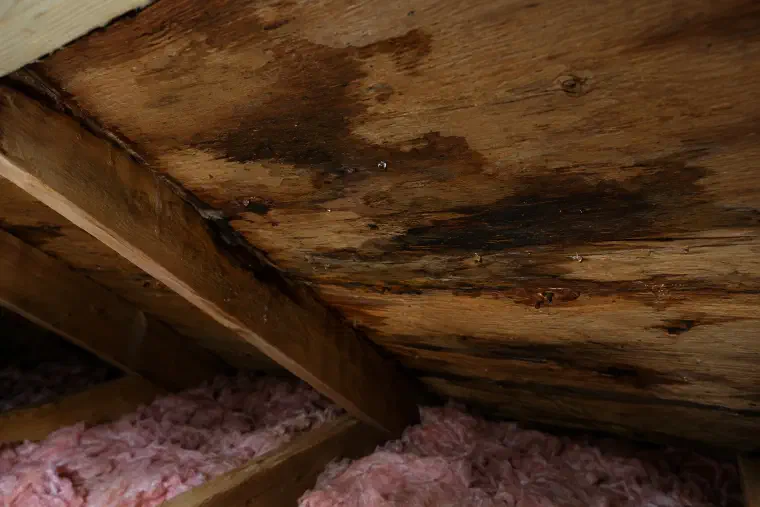
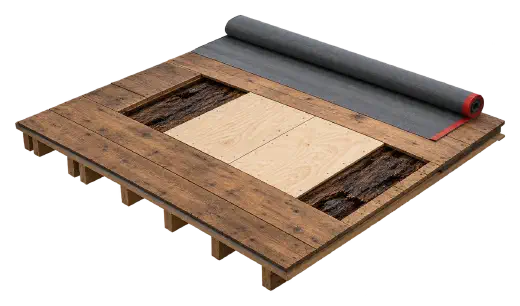
The ceiling stain you finally notice is usually the last stage of a leak that has been active for months, sometimes years. By the time water shows up inside, it has already traveled through the roof deck and saturated whatever it touched. If the decking under the leak has started to rot, replacing that section typically adds $150 to $500 or more to the repair. A roof damage repair that addresses the rot early keeps the job small.
How much does it cost to fix a minor roof leak?
The cost of a minor roof repair depends on what is leaking, but most small fixes fall between $350 and $900. These are typical price ranges for the most common minor repairs, based on what we see in Ellicott City and national averages.
- Replace 1 to 3 shingles: $300 to $650
- Replace a pipe boot: $350 to $750
- Reseal a small flashing joint: $400 to $850
- Resecure a loose ridge cap: $350 to $700
These numbers come from our own pricing and align with what HomeGuide reports for a minor leak cost range and ConsumerAffairs’ data on small leak repair costs. The minimum service call covers mobilization, so even a tiny repair often lands near the bottom of the range. A roof repair that fixes the leak now costs far less than waiting until the decking needs replacement.
Can you repair a small roof leak yourself?
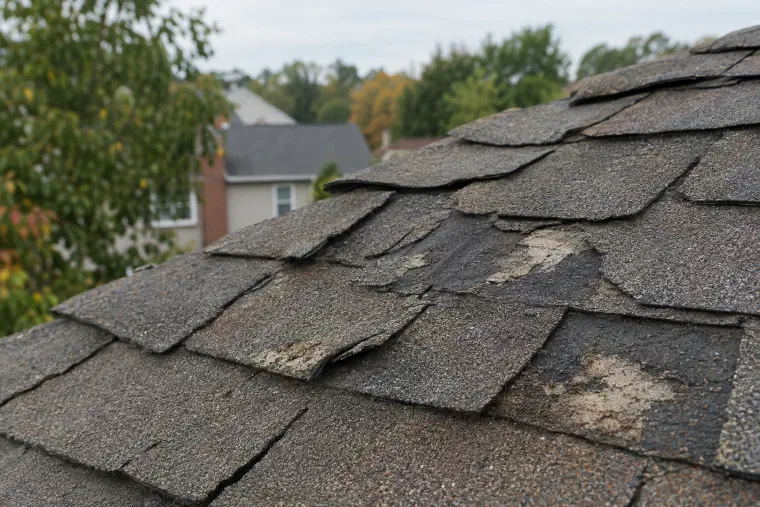
You can handle simple tasks like replacing a single shingle or resealing a small gap if you are comfortable on a ladder and the roof is low-slope, but anything involving flashing or a steep roof is better left to a pro. The real risk is not the repair itself. It is missing the hidden damage underneath, or creating a new leak by walking on brittle shingles.
One thing to avoid entirely: expanding foam. It is tempting to spray some into a gap and call it done, but foam traps moisture against the wood and speeds up rot. A proper fix means finding the actual entry point and sealing it with the right materials. If you need a temporary fix while you wait for a professional roof repair, tarping the area is safer than spraying foam.
When should you call a professional for a minor roof leak?
Call a pro if the leak’s source is not clear, you see moisture in the attic, the roof is steep, there are several stains, or you simply do not want to work on a ladder. A professional can spot problems that are not obvious from inside, like high-nailed shingles or flashing that has been caulked instead of properly fitted.
A free roof inspection takes the guesswork out of the decision. It includes a walk on the roof, an attic check where we can get to it, and a written report with photos, with no obligation to book work.
Does homeowners insurance cover minor roof leaks?
Homeowners insurance generally does not cover leaks caused by wear and tear, aging, or lack of maintenance. Coverage typically applies only if the leak results from a sudden, covered event like a windstorm that blows shingles off or a tree limb that punctures the roof.
If the leak developed slowly because the flashing corroded or the shingles simply wore out, the repair is considered a maintenance issue and falls on the homeowner. It is worth reading your policy’s wording about roof coverage and talking to your agent before assuming anything is covered.
Can a minor roof leak be a sign of a bigger problem?
Yes. A small leak can point to deeper issues like poor installation, weak attic venting, or failing decking. A leak that keeps coming back after a patch, or one that shows up in several spots, often means the roof has a fault underneath that a simple shingle swap will not fix.
We often find that weak attic venting is the most underrated roof killer: it can cut a roof’s life nearly in half by overheating shingles from underneath. High-nailed shingles, missing starter strips, or reused flashing are installation faults that look fine from the ground but let water in during the first hard wind. If you think venting is part of the problem, an attic venting check can tell you whether your attic is cooking the shingles from below.
How to get your roof checked before a small leak turns into a big one
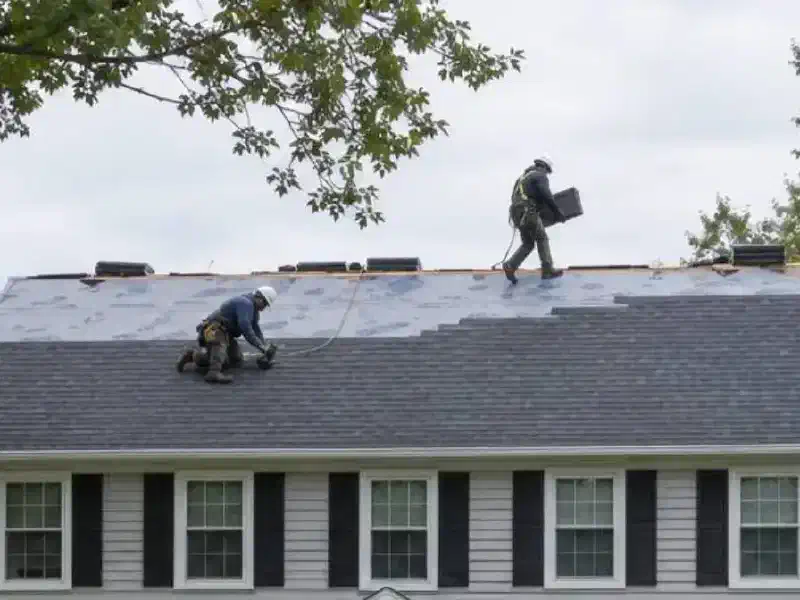
A roof inspection is the simplest way to find trouble before you see a stain. It takes about an hour or two on site. We walk the roof, lift a few shingles to check the nailing, press for soft spots, and look at every flashing, valley and penetration. If the attic can be reached, we go up and look for moisture, mold, or daylight coming through.
The report comes back the same day, or within 24 to 48 hours, with photos and a written assessment. Winter is actually the best time to check an attic: frost on the underside of the sheathing shows up moisture problems that are invisible the rest of the year. A roof inspection costs nothing and gives you a clear picture of what is happening up there, whether you have spotted a leak or not.
Common questions
How long can a minor roof leak go unnoticed?
A slow leak can go unnoticed for months or even years, especially if the water travels along a rafter or soaks into insulation before staining the ceiling. By the time a brown spot appears, the decking underneath may already be soft. That is why an attic check is so useful: it catches moisture before it becomes a stain.
Can I use expanding foam to stop a roof leak?
Expanding foam is not a permanent roof repair. It can trap moisture against the wood, speeding up rot, and it makes a proper repair harder later. The only reliable fix is to find and seal the actual entry point with the right flashing, sealant or replacement materials. Tarping is a safer temporary measure while you wait for a professional.
Will my insurance premium go up if I file a claim for a roof leak?
Possibly. Insurers may view frequent small claims as a risk factor, and a claim for a maintenance-related leak that is not covered could still affect your renewal. It is often better to pay for a minor repair yourself than to risk a premium increase, especially since most wear-and-tear leaks are not covered in the first place.
What is the difference between a roof leak and condensation?
A roof leak is outside water getting through the roof. Condensation forms when warm, damp indoor air hits a cold surface like the underside of the roof deck or a skylight. Condensation usually shows up as widespread dampness or droplets rather than one drip, and it points to venting or insulation problems rather than a hole in the roof.
Is a small water stain on the ceiling always a roof leak?
Not always. The stain could come from a plumbing leak in the attic, an overflowing AC drip pan, or condensation. Before assuming it is the roof, check the attic directly above the stain for wet insulation or decking. If the wood is dry and there is no sign of water coming through the roof, the source is likely somewhere else.