

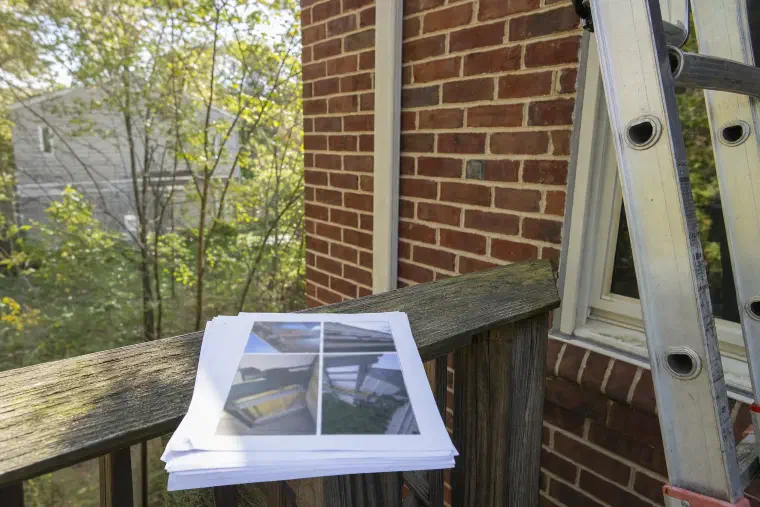
A roof inspection report is the written record of what the inspector found on your roof and what it means. A good one has photos, the roof’s size and pitch, a plain list of problems, and an estimate of how much life the roof has left.
The short version
- The report should be separate from any price or proposal, so you can read it without a sales pitch attached.
- Photos matter most. They show you the problem, so you do not have to take anyone’s word for it.
- A measured square count and the pitch are in there too, and they are what any honest quote is built on.
- The life estimate should come with reasons, such as granule loss or shingles that have stopped sealing.
- A report is a snapshot, not a warranty, and it leaves out leak tracing, moisture scans and engineer opinions.
What is in a roof inspection report?
A roof inspection report holds five things: photos, measurements, a list of what was found, a remaining-life estimate and next steps. Ours is a written report with photos, a measured square count and the pitch. It comes from a visit where the inspector walked the roof, lifted shingles to check the nailing, pressed on the surface for soft spots and checked the flashing, valleys and gutters. When it is safe to reach, the attic gets a look too.
Not every inspector hands over the same document. This Old House says some inspectors provide reports with photos and recommendations (opens in a new tab), which means some do not. So ask what you will get before the visit, not after.
Why do the photos matter so much?
The photos matter because they turn “trust me” into “look at this.” Each problem on the list should have a picture beside it, taken close enough that you can see the cracked boot, the lifted shingle or the rusted flashing for yourself. You should also be able to tell which part of the roof each one shows.
Photos help later, too. This Old House advises you to document the damage (opens in a new tab) before any repair, with clear photos and notes on size and depth. The Nebraska Department of Insurance gives similar advice: if repairs have to happen before an adjuster looks, take good quality photographs (opens in a new tab) of the damage. A dated set from your inspection is a head start on that.
Why does the report give a square count and a pitch?
It gives them because every price starts there. A square is 100 square feet of roof, and the pitch is how steep the roof is. A measured count from the roof itself beats a guess from satellite pictures, and steep roofs cost more to work on, so the pitch changes the price.
If you want the math, our guide to measuring a roof in squares walks through it. Put the numbers from your report next to any estimate you get. If two quotes use very different square counts for the same house, someone measured wrong.
How does a report work out how much life a roof has left?
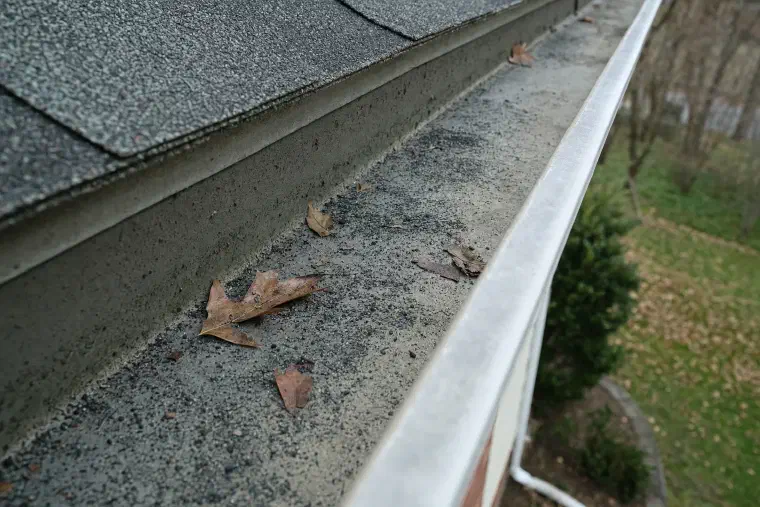
It works it out from signs of wear, and the report should name them. The two we lean on most are granule loss and shingles that have stopped sealing down. Granules are the gritty coating on the shingle surface. When they wear off, the shingle is thinner, drier and closer to done.
Granules alone do not settle it. The Nebraska Department of Insurance says a significant amount of granules at the end of downspouts (opens in a new tab) may show damage, but that granule loss does not prove it. That is why a report should say where the loss is, how bad it is and what the inspector thinks caused it.
Keep one thing in mind: the estimate is a judgment, not a measurement. In Maryland, asphalt shingles realistically last 18 to 25 years, whatever number is printed on the wrapper. A report that says “5 to 8 years left” and shows its reasons is useful. One that says “your roof is bad” with no reasons is a pitch.
What does a roof inspection report leave out?
It leaves out everything that needs more than a visual check. A free inspection is a look at the roof, not a test of it, and some jobs are separate services with their own prices.
| Not in a regular report | What it typically runs |
|---|---|
| Finding the exact spot a leak comes in | $150 to $400 |
| Moisture metering or heat scanning | $400 to $700 |
| A VA/FHA roof certification or insurance condition form | $150 to $400 |
| A structural engineer’s letter | $600 to $1,500 |
Other things we usually do not run are a full ventilation calculation and a check of the chimney crown, gutter insides or the siding flashing above the roof. A roofer can flag a sagging ridge, but only an engineer can say what is wrong with it.
Why should the report be separate from the price?
It should be separate because a report and a quote do different jobs. The report says what is true about the roof. The quote says what the work costs. When they arrive stapled together, the report tends to find whatever the quote needs.
Ours is written separately from any proposal, and there is no obligation to book anything. We will say it plainly, though: a free inspection is also a sales visit, and the inspector is paid when contracts close. If you are in a claim dispute or buying a house, a paid independent inspector is a better fit. Our piece on how much a roof inspection costs covers when that is worth it.
What should you do with the report?
Read it once for the problems, once for the photos, and keep it. Then sort the list. Some items are repairs for now, like a cracked pipe boot. Some are things to watch, like early granule loss on an otherwise sound roof. If the roof has life left and the problems are small, a repair is often the cheaper answer than a new roof.
Do not sit on a long list, either. The Asphalt Roofing Manufacturers Association calls flashings the most vulnerable points (opens in a new tab) on a roof, and flashing is where our report most often finds work. When you get an estimate, our guide to what belongs in a roof estimate helps you check it against the report.
Common questions
How soon do you get the report?
Usually the same day, or within 24 to 48 hours. The visit itself takes one to two hours on site. Scheduling is typically within 2 to 5 business days, though after a storm it can be 1 to 3 weeks.
Does the report mean my roof passed?
No. It is a snapshot of the roof on the day of the visit, not a warranty. A strong wind the next week can change everything, so treat the report as a starting point and look again after a storm.
Can I use the report for an insurance claim?
Maybe, but your policy and the adjuster decide what counts. The report and its photos are a useful record of the roof’s condition. For a claim dispute, an independent inspector carries more weight than a contractor.
What to do next
If you have never had a written report on your roof, our free roof inspection gives you one, with photos, a square count and a pitch. To see what the visit covers step by step, read what a roof inspection includes.


