The average price of a roof repair in the U.S. was around $4,699 in 2025, according to Verisk’s national roof report. That figure covers everything from a $350 shingle swap to a $15,000 rafter repair. In Ellicott City, most common roof repairs land between $350 and $2,200, and a free inspection from a local roofer is the fastest way to turn a national average into a real number for your roof.
TL;DR
- National average roof repair cost is roughly $4,700, but most local repairs cost far less.
- Minor fixes like replacing a few shingles or a pipe boot start around $350 to $750.
- Mid-range repairs (flashing, chimney reflash, valley work) usually run $800 to $2,200.
- Major structural repairs can climb past $5,000, especially if decking or rafters are damaged.
- A free, boots-on-the-roof inspection gives you an accurate price for your specific roof, not an average.
What is the national average cost of a roof repair?
The national average cost of a roof repair hit $4,699 in 2025, based on Verisk’s analysis of millions of claims and contractor invoices. That number is a broad benchmark, not a quote. It includes everything from a one-hour shingle patch to a multi-day structural rebuild, so it pulls the average much higher than what most homeowners actually pay.
In Ellicott City, a simple roof repair in Ellicott City often starts at the minimum service call: $350 to $550 for independent roofers, or $550 to $900 for larger companies. Those minimums cover mobilization, a small amount of material, and an hour or two of labor. The national average is useful for budgeting, but the number that matters is the one tied to your roof’s age, the specific leak, and what the crew finds when they lift the shingles.
Why roof repair quotes can range from $350 to over $4,500
Most of the gap comes down to what’s actually broken. A single cracked pipe boot costs under $30 in materials and takes 30 minutes to swap, but you still pay for the truck, the ladder, the know-how, and the warranty on the work. At the other end, a rotted deck section hidden under apparently fine shingles turns a $500 call into a $3,000 job before lunch.
Maryland repair pricing splits into three broad tiers. Tier 1 covers quick, isolated fixes: replacing one to three shingles ($300 to $650), resecuring ridge cap ($350 to $700), or a small sealant reseal ($400 to $850). Tier 2 includes the repairs most homeowners actually need: a single leak diagnosis and fix ($500 to $1,600), chimney reflash ($800 to $2,200), valley repair ($700 to $1,800), or skylight reflash ($900 to $2,000). Tier 3 is structural: partial slope replacement ($2,500 to $9,000), chimney rebuild plus reflash ($3,500 to $8,000), or rafter sistering that can reach $15,000. A Maryland roofing cost guide confirms that most repair jobs in the state fall under $1,500, which lines up with what we see every day.
Common roof repairs and what they typically cost
The table below groups the most frequent repair calls by price range, using the real numbers we quote in Ellicott City. These are installed prices that include labor, materials, and cleanup.
Quick fixes (under $900)
| Repair type | Typical cost range |
|---|---|
| Replace 1 to 3 shingles | $300 to $650 |
| Pipe boot replacement | $350 to $750 |
| Ridge cap resecure | $350 to $700 |
| Small sealant reseal | $400 to $850 |
| Emergency tarping | $350 to $900 |
Mid-range repairs ($900 to $2,500)
| Repair type | Typical cost range |
|---|---|
| Single leak diagnosis and repair | $500 to $1,600 |
| Wind-lifted shingles (multiple) | $600 to $1,700 |
| Valley repair | $700 to $1,800 |
| Step flashing repair | $700 to $1,900 |
| Ridge vent repair | $700 to $1,600 |
| Chimney reflash | $800 to $2,200 |
| Skylight reflash | $900 to $2,000 |
Major repairs ($2,500 and up)
| Repair type | Typical cost range |
|---|---|
| Decking section replacement + reshingle | $1,500 to $5,000 |
| Skylight replacement | $1,200 to $3,000 |
| Low-slope membrane repair | $2,500 to $6,000 |
| Partial slope replacement | $2,500 to $9,000 |
| Chimney rebuild + reflash | $3,500 to $8,000 |
| Rafter sistering or ridge correction | $3,000 to $15,000 |
How roof pitch and accessibility change the price
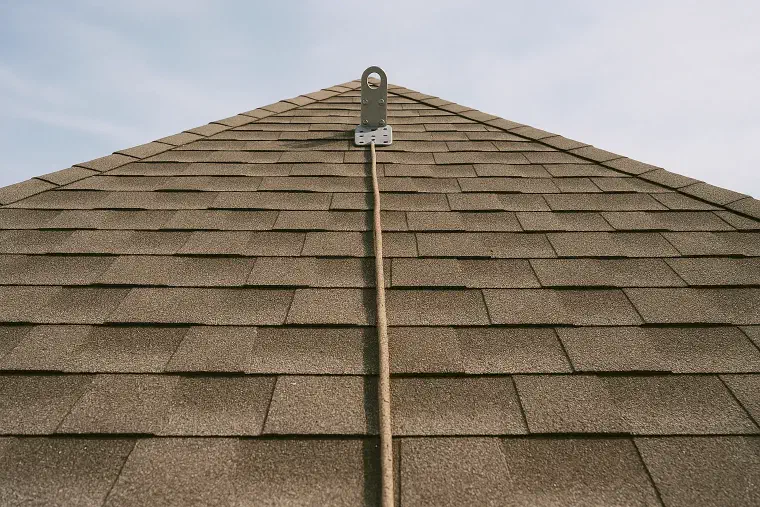
A steep roof costs more to repair because it slows the crew down and requires extra safety gear. Once the pitch passes 8/12, production can drop by half, and that labor premium shows up in the quote. A simple repair on a 4/12 ranch might take an hour; the same repair on a 10/12 colonial with dormers could take three.
Access matters just as much. A house with clear ladder setup on all sides is straightforward. A wooded lot where the crew has to carry materials uphill through underbrush, or a townhome with zero side access, adds time and risk. In Ellicott City, homes tucked into the Patapsco Valley or shaded by mature oaks often carry a small access premium. None of this is a markup for the sake of it. It reflects the real cost of working safely on a difficult roof.
What can turn a small repair into a big bill
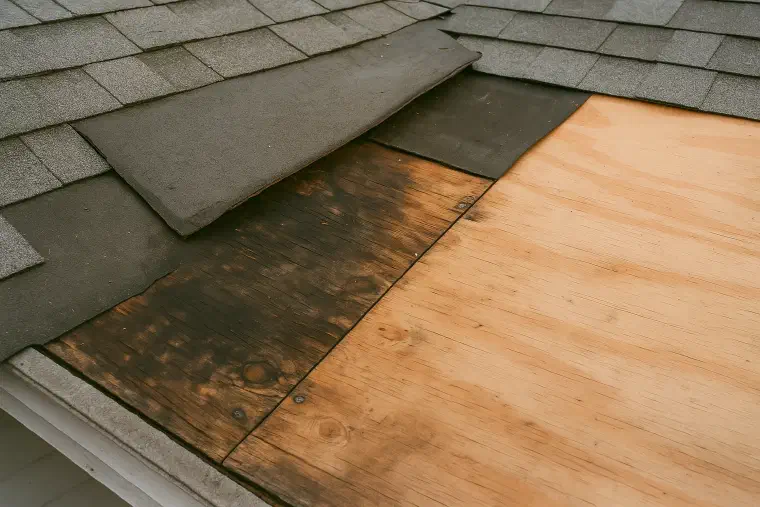
The most common surprise is rotted decking under the shingles. A leak that looked like one missing shingle can hide a 4-by-8 sheet of plywood that crumbles when you touch it. Replacing that section adds $150 to $500 or more, and if the rot extends into the rafter tails, the repair climbs into structural territory.
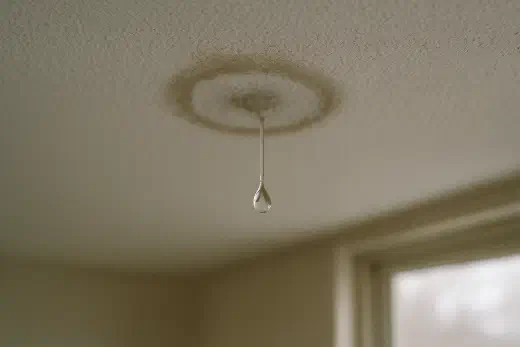
Other scope expanders: a roof with two layers of shingles (tear-back doubles before you even reach the problem), discontinued shingle colors that force a larger patch, and chimney masonry that is too soft to hold new flashing. A ceiling stain is the last stage of a leak, not the first. By the time water shows up inside, the decking underneath has often been wet for years. A free roof inspection before you see a stain catches these problems while they are still small.
How to get an accurate repair price instead of an average
Skip the online calculators and get a roofer on the roof. A physical inspection that lifts shingles, presses for soft spots, and checks the attic is the only way to know what the repair will cost. Drone photos are fine for a quick look, but they miss high nails, failed seal strips, and the kind of subtle deck deflection your hand can feel.
Our free roof inspection includes a full walk on the roof, photos, and a written report with a measured square count. There is no obligation to book work. A good quote after an inspection spells out the exact scope: which shingles, which flashing, whether decking is included, and what the warranty covers. That number is the one to compare, not a national average.
Frequently asked questions
Is it better to repair a roof or replace it?
Most roofs do not need replacing. If the leak is isolated and the surrounding shingles are in decent shape, a repair is the smarter choice. When the roof is past 20 years old, losing granules, or has multiple failing areas, a replacement often costs less per year of service than chasing repeated repairs.
Does homeowners insurance cover roof repairs?
It depends on the cause. Sudden damage from a storm, falling tree, or wind is often covered, but wear and tear, neglect, or an old roof that simply aged out is not. An inspection that documents the damage with photos helps support a claim, but the decision always rests with the adjuster and your policy.
How long does a typical roof repair take?
Most repairs take one to four hours on site. The overall timeline from call to completion is usually one to two weeks in normal conditions, though peak season or a regional storm can stretch it to three to six weeks. Emergency tarping can happen same-day.
Can I repair a leaking roof myself?
You can, but the risk-reward is lopsided. Finding the real entry point of a leak is harder than it looks, and walking a roof without the right safety gear is dangerous. A small mistake with sealant or flashing can turn a $500 fix into a $3,000 decking replacement. If you are not comfortable on a ladder or lifting shingles, call a pro.
How do I know if my roof needs a repair or a full replacement?
The most reliable way is a professional inspection that checks the attic, the decking, and the shingle condition up close. Signs that point toward replacement include widespread granule loss, curling shingles, multiple past repairs, and a roof age over 20 years. If the damage is limited to one valley or chimney, repair is usually the right call.